
Introduction
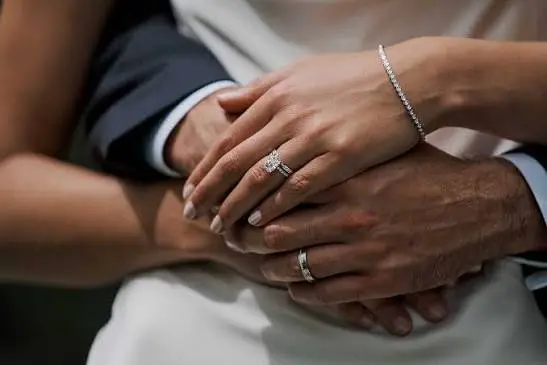
Difference between engagement ring and wedding ring mainly comes down to their purpose, timing, design, and symbolism. An engagement ring is traditionally given when a couple becomes engaged, while a wedding ring or wedding band is exchanged during the marriage ceremony.
Although the two rings are often worn together, they are not the same thing. An engagement ring usually draws attention to a center gemstone, while a wedding band is often simpler and designed for comfortable everyday wear. However, modern couples have plenty of freedom to choose different styles, metals, stones, and ways of wearing their rings.
This guide explains the key differences between engagement rings and wedding rings, how they are traditionally worn in the United States, whether you need both, and how to choose rings that work beautifully together.
What Is an Engagement Ring?
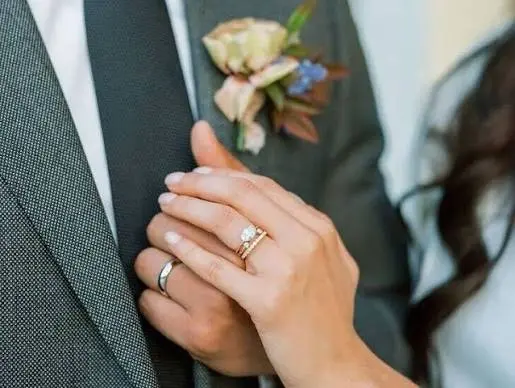
An engagement ring is traditionally given during a marriage proposal and represents a couple’s commitment to marry. It is commonly worn during the engagement period and often continues to be worn after the wedding.
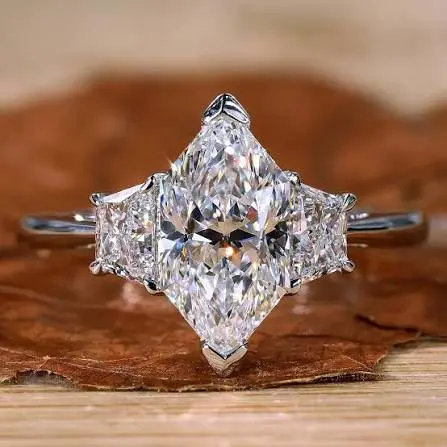
Engagement rings frequently feature a prominent center gemstone, such as a diamond or another precious or durable gemstone. Popular designs include solitaire, halo, three-stone, pavé, and bezel settings.
The engagement ring is often the more visually prominent piece because its design is centered around showcasing a main gemstone.
Common Features of an Engagement Ring
An engagement ring may include:
- A center diamond or colored gemstone
- A solitaire setting
- Halo or three-stone design
- Pavé or accent diamonds
- A more detailed or elevated setting
- Gold, platinum, or another precious-metal band
The exact design is a matter of personal preference. There is no requirement that an engagement ring must have a diamond or follow a particular setting.
What Is a Wedding Ring?
A wedding ring, often called a wedding band, is traditionally exchanged during the wedding ceremony as a symbol of marriage and partnership.
Wedding bands can be simple or highly detailed. Some are plain metal bands, while others feature diamonds or gemstones arranged around part or all of the band.
Unlike an engagement ring, a wedding band does not necessarily have a large center stone. Its design is often intended to complement an engagement ring, although it can also be worn independently.
Wedding bands are typically selected with everyday comfort and long-term wear in mind.
Difference Between Engagement Ring and Wedding Ring: At a Glance
The easiest way to understand the difference between engagement ring and wedding ring is to compare their purpose and typical design.
| Feature | Engagement Ring | Wedding Ring |
|---|---|---|
| Main purpose | Represents the engagement and promise to marry | Represents the marriage and wedding vows |
| Usually given | At the proposal | During the wedding ceremony |
| Typical design | Often features a center gemstone | Often features a continuous or relatively simple band |
| Center stone | Common | Not usually required |
| Who wears it | Traditionally the person being proposed to | Traditionally both spouses |
| When it is worn | During engagement and often after marriage | Usually from the wedding onward |
| Style | Often more elaborate | Can range from simple to diamond-covered |
| Must they match? | No | No |
| Must you have both? | No | No |
These are traditional patterns rather than strict rules. Modern couples increasingly choose ring combinations based on lifestyle, comfort, cultural traditions, and personal style.
Engagement Ring vs. Wedding Ring: The Main Differences
1. Purpose and Meaning
The biggest difference is what each ring traditionally represents.
An engagement ring symbolizes a commitment to marry. It is associated with the proposal and the period leading up to the wedding.
A wedding ring represents the marriage itself. During the wedding ceremony, exchanging rings is commonly part of the couple’s expression of commitment.
Both rings can carry deep emotional meaning, but they mark different stages of a relationship.
2. When You Receive the Ring
An engagement ring is traditionally received when a couple gets engaged.
The wedding ring is exchanged during the wedding ceremony. After the ceremony, many couples wear the engagement ring and wedding band together.
This sequence is not mandatory. Couples can decide when and how they want to exchange or wear their rings.
3. Design and Appearance
Engagement rings often have a noticeable center stone. The setting is designed to showcase that gemstone and may include additional diamonds or gemstones.
Wedding bands generally focus more on the band itself. A wedding ring might be a plain gold band, a platinum band, a diamond band, or an eternity-style design.
There are no universal design rules. A wedding band can be just as detailed or luxurious as an engagement ring.
4. Who Traditionally Wears Them
Traditionally, the person receiving the proposal wears the engagement ring.
Wedding bands are traditionally exchanged between both partners, which means both spouses may have wedding rings.
Modern couples can choose whatever arrangement feels appropriate. Some couples both wear engagement rings, while others choose only wedding bands.
Understanding the difference between an Engagement Ring vs Wedding Ring can help couples choose the right ring for each special occasion. When comparing an Engagement Ring vs Wedding Ring, the engagement ring is usually given during the proposal, while the wedding ring is exchanged during the ceremony.
An Engagement Ring vs Wedding Ring comparison also highlights differences in design, style, and symbolism. Many couples research Engagement Ring vs Wedding Ring before selecting rings that match their personal preferences and budget. Ultimately, knowing about Engagement Ring vs Wedding Ring can make the ring-buying process easier and more meaning
5. How They Are Worn
In the United States, engagement rings and wedding bands are commonly worn on the fourth finger of the left hand.
A traditional stack places the wedding band closest to the hand, with the engagement ring above it. Some people reverse the order, wear the rings on separate hands, or wear only one ring at a time.
There is no universal rule that everyone must follow. GIA notes that cultural customs and personal preferences can influence which hand and finger people choose.
Do You Need Both an Engagement Ring and a Wedding Ring?
No, you do not need both. An engagement ring and wedding band are separate pieces of jewelry, and couples can choose what works best for them.
Some couples prefer a traditional two-ring combination. Others choose a single ring, a bridal set, multiple bands, or completely different rings for each partner.
Your decision may depend on:
- Personal style
- Budget
- Work and lifestyle
- Comfort
- Ring design
- Cultural traditions
- Whether you like wearing multiple rings
For example, someone who works with their hands frequently may prefer a simple wedding band for everyday wear and reserve a more elaborate engagement ring for occasions when it is practical.
Should Your Engagement Ring and Wedding Band Match?
No. Your engagement ring and wedding band do not have to match.
They can match exactly, coordinate closely, or intentionally contrast with each other.
For a cohesive look, consider matching or coordinating:
- Metal color
- Band width
- Diamond shape
- Setting details
- Finish and texture
- Overall design style
For example, a classic solitaire engagement ring can pair beautifully with a slim pavé diamond band. A modern engagement ring could also be paired with a plain yellow-gold wedding band for contrast.
The most important consideration is whether the combination looks good, feels comfortable, and suits your lifestyle.
How to Choose a Wedding Band for Your Engagement Ring
Choosing the right wedding band is easier when you consider the engagement ring as the starting point.
Step 1: Consider the Ring’s Shape
Look at the profile of your engagement ring. A high-set center stone may accommodate a straight wedding band easily, while a low-set or unusually shaped ring may work better with a curved, contoured, or notched band.
The goal is to create a comfortable combination without forcing the rings together.
Step 2: Consider Metal Compatibility
You can choose the same metal for a traditional coordinated appearance.
For example:
- Platinum with platinum
- Yellow gold with yellow gold
- White gold with white gold
- Rose gold with rose gold
You can also mix metals for a more personalized appearance.
Step 3: Think About Daily Comfort
Your rings should feel comfortable when worn together.
Pay attention to:
- Overall ring width
- Edges and contours
- Height of the setting
- How the rings move against each other
- Whether the combination feels too bulky
Ring width can influence both comfort and durability, so it is worth considering how the rings will fit together rather than choosing based on appearance alone.
Step 4: Try Them Together Before Buying
If possible, try a wedding band alongside the actual engagement ring.Understanding the difference between an Engagement Ring vs Wedding Ring can help couples choose the right ring for each special occasion. When comparing an Engagement Ring vs Wedding Ring, the engagement ring is usually given during the proposal, while the wedding ring is exchanged during the ceremony.
An Engagement Ring vs Wedding Ring comparison also highlights differences in design, style, and symbolism. Many couples research Engagement Ring vs Wedding Ring before selecting rings that match their personal preferences and budget. Ultimately, knowing about Engagement Ring vs Wedding Ring can make the ring-buying process easier and more meaning
A combination that looks attractive in a photograph may feel different on your finger. Testing the pair helps you evaluate proportion, comfort, spacing, and overall appearance.
How Should You Wear an Engagement Ring and Wedding Ring?
There is no single correct answer.
Traditional Stacking
A common arrangement is:
- Wedding band closest to the hand
- Engagement ring above the wedding band
This traditional arrangement is sometimes explained as placing the wedding band closer to the heart.
Engagement Ring First
Some people prefer to wear the engagement ring first and the wedding band above it. This can also make practical sense depending on the shape and fit of the rings.
Wear Them on Different Hands
Another option is wearing the engagement ring and wedding band on different hands.
This can be useful if the rings do not sit comfortably together or if you simply prefer a less traditional look.
GIA confirms that modern ring-wearing practices are increasingly personalized, with couples choosing arrangements based on comfort, symbolism, culture, and style.
What Happens to the Engagement Ring on the Wedding Day?
Many people wonder whether they should wear their engagement ring during the wedding ceremony.
A common approach is to temporarily move the engagement ring to the right hand or keep it safely elsewhere during the ceremony. This leaves the ring finger available for the wedding band.
After the ceremony, the engagement ring can be placed back on the finger, typically above the wedding band.
However, there is no universal requirement. The best approach depends on the couple, the ceremony, and the way the rings are designed.Understanding the difference between an Engagement Ring vs Wedding Ring can help couples choose the right ring for each special occasion. When comparing an Engagement Ring vs Wedding Ring, the engagement ring is usually given during the proposal, while the wedding ring is exchanged during the ceremony. An Engagement Ring vs Wedding Ring comparison also highlights differences in design,
style, and symbolism. Many couples research Engagement Ring vs Wedding Ring before selecting rings that match their personal preferences and budget. Ultimately, knowing about Engagement Ring vs Wedding Ring can make the ring-buying process easier and more meaning
Engagement Ring and Wedding Ring Buying Tips
Buying both rings can be exciting, but it is also a significant decision. Use these practical tips before making a purchase.
1. Start With Your Lifestyle
Think about how often you want to wear your rings.
If you work with your hands, exercise frequently, or regularly participate in activities that could expose jewelry to impact or snagging, a practical band may be especially valuable.
2. Prioritize Fit
A beautiful ring that does not fit properly can become uncomfortable.
Have your finger professionally measured when possible, and remember that finger size can fluctuate because of temperature and other everyday factors.
3. Think Beyond Matching
Your rings do not need to be identical.
Focus on whether they complement one another while still expressing your individual personalities.
4. Consider the Ring Setting
The engagement ring’s setting can affect which wedding bands sit comfortably beside it. Prong, bezel, halo, and other designs have different profiles.
GIA notes that the setting affects gemstone security, appearance, light performance, and wearability.
5. Set a Comfortable Budget
Do not feel pressured to spend a particular amount simply because of traditional jewelry advice.
Instead, establish a budget based on your financial priorities and compare the quality, materials, craftsmanship, and design within that range.Understanding the difference between an Engagement Ring vs Wedding Ring can help couples choose the right ring for each special occasion. When comparing an Engagement Ring vs Wedding Ring, the engagement ring is usually given during the proposal, while the wedding ring is exchanged during the ceremony. An Engagement Ring vs Wedding Ring comparison also highlights differences in design, style, and symbolism.
Many couples research Engagement Ring vs Wedding Ring before selecting rings that match their personal preferences and budget. Ultimately, knowing about Engagement Ring vs Wedding Ring can make the ring-buying process easier and more meaning
Common Mistakes to Avoid
Choosing a Wedding Band Without Considering the Engagement Ring
A wedding band may look beautiful by itself but not sit properly next to your engagement ring. Always consider the two rings as a pair if you plan to wear them together.
Assuming the Rings Must Match
Matching is optional. Different metals, widths, and styles can create an attractive and intentional combination.
Ignoring Comfort
A stack can look impressive but become uncomfortable if it is too wide, heavy, or poorly fitted.
Following Tradition Without Considering Your Lifestyle
Tradition can provide inspiration, but your rings should work for your everyday life.
Choosing Style Before FitUnderstanding the difference between an Engagement Ring vs Wedding Ring can help couples choose the right ring for each special occasion. When comparing an Engagement Ring vs Wedding Ring, the engagement ring is usually given during the proposal, while the wedding ring is exchanged during the ceremony.
An Engagement Ring vs Wedding Ring comparison also highlights differences in design, style, and symbolism. Many couples research Engagement Ring vs Wedding Ring before selecting rings that match their personal preferences and budget. Ultimately, knowing about Engagement Ring vs Wedding Ring can make the ring-buying process easier and more meaning
A ring should look beautiful, but comfort and proper fit matter just as much for jewelry you plan to wear regularly.
Are Engagement Rings More Expensive Than Wedding Rings?
Often, yes, but there is no fixed rule. Engagement rings frequently cost more because they commonly feature a significant center gemstone, while many wedding bands use less material or fewer gemstones.
However, a diamond-heavy or platinum wedding band can cost more than a simple engagement ring.
Price depends on factors such as:
- Gemstone type
- Diamond quality
- Carat weight
- Metal
- Ring size
- Setting
- Craftsmanship
- Design complexity
Rather than assuming one ring should cost more, compare the actual materials and construction of the pieces you are considering.
Engagement Ring and Wedding Ring Sets
A bridal ring set typically includes an engagement ring and a matching or coordinating wedding band designed to be worn together.
A set can simplify the buying process because the two rings are designed with compatibility in mind.
It may be particularly useful if you want:
- A coordinated appearance
- Consistent metal
- Matching design details
- A comfortable fit between the rings
- A simpler shopping experience
However, purchasing the rings separately gives you more flexibility to create a personalized combination.
Brilliant EarthBrilliant EarthFrequently Asked Questions
What is the difference between an engagement ring and a wedding ring?
The main difference is their traditional purpose and timing. An engagement ring is usually given during a proposal and represents a commitment to marry. A wedding ring is exchanged during the wedding ceremony and represents marriage. Engagement rings often feature a center gemstone, while wedding rings are commonly designed as bands.
Do you wear an engagement ring and wedding ring together?
Yes, many people wear both together after getting married. A common traditional arrangement places the wedding band closest to the hand and the engagement ring above it. However, you can wear them separately, on different hands, or choose to wear only one depending on comfort, lifestyle, and personal preference.
Does a wedding ring have to match an engagement ring?
No. A wedding ring does not have to match an engagement ring. You can choose the same metal and similar design for a coordinated appearance, or mix metals, textures, widths, and styles for a more distinctive look. The best combination is one that feels comfortable and reflects your personal taste.
Understanding the difference between an Engagement Ring vs Wedding Ring can help couples choose the right ring for each special occasion. When comparing an Engagement Ring vs Wedding Ring, the engagement ring is usually given during the proposal, while the wedding ring is exchanged during the ceremony.
An Engagement Ring vs Wedding Ring comparison also highlights differences in design, style, and symbolism. Many couples research Engagement Ring vs Wedding Ring before selecting rings that match their personal preferences and budget. Ultimately, knowing about Engagement Ring vs Wedding Ring can make the ring-buying process easier and more meaning
Which ring goes on first, the engagement ring or wedding band?
Traditionally, the wedding band goes on first, closest to the hand, with the engagement ring above it. This is a common custom in the United States, but it is not a strict rule. Some people reverse the order because of comfort, ring design, symbolism, or personal preference.
Can you have a wedding ring without an engagement ring?
Absolutely. An engagement ring is not required to have a wedding ring. Some couples choose wedding bands only, while others choose alternative rings or different styles of wedding jewelry. What matters most is selecting rings that fit your relationship, budget, lifestyle, and personal preferences.
Conclusion: Choosing the Right Ring for You
The difference between engagement ring and wedding ring is primarily about purpose, timing, design, and symbolism. An engagement ring traditionally represents the promise to marry and is usually associated with the proposal, while a wedding ring represents the marriage and is exchanged during the wedding ceremony.
That said, modern couples are not limited by traditional rules. You can choose matching rings, mix different styles, wear both rings together, wear them separately, or choose only one.
If you are shopping for both, start by considering your lifestyle, budget, preferred metal, gemstone style, comfort, and how the rings will fit together. Most importantly, choose jewelry that feels meaningful to you rather than following a rule simply because it is traditional.