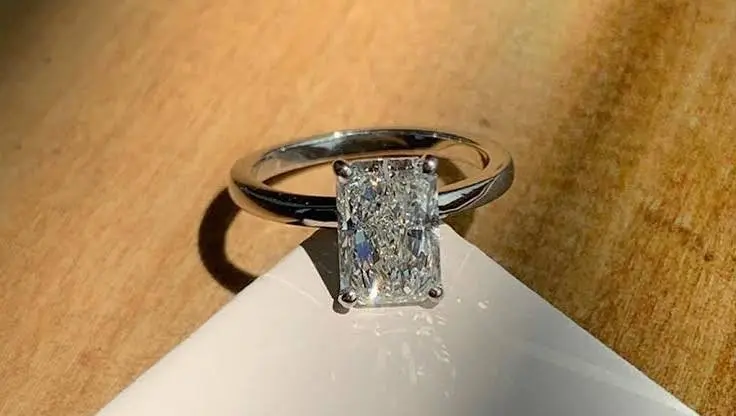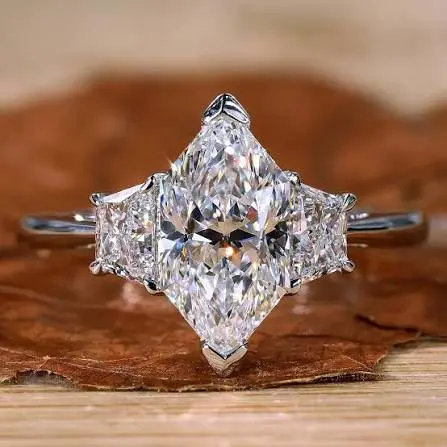

Aquamarine engagement ring styles offer a beautiful alternative to traditional diamond engagement rings. Known for their blue to blue-green color and naturally elegant appearance, aquamarines can create a distinctive engagement ring with a fresh, sophisticated look.
Whether you prefer a classic solitaire, a vintage-inspired setting, or a modern halo design, an aquamarine engagement ring can be customized to suit different personal styles and budgets. This guide explains what aquamarine is, how to choose the right stone, which settings and metals work best, how to care for your ring, and what to consider before buying.
What Is an Aquamarine Engagement Ring?

An aquamarine engagement ring features aquamarine as the center stone or as a prominent gemstone in the ring design. Aquamarine belongs to the beryl mineral family, the same mineral family as emerald, and is best known for its attractive blue or blue-green color.
The name aquamarine is associated with the appearance of seawater, making the gemstone especially appealing to people who want an engagement ring with a soft, ocean-inspired color.
Unlike a traditional diamond engagement ring, an aquamarine design makes color the main visual feature. The result can feel romantic, distinctive, and less conventional while still looking refined enough for everyday wear.
Why Choose an Aquamarine Engagement Ring?
The biggest appeal of an aquamarine engagement ring is its combination of color, elegance, and individuality. It can be an excellent choice for someone who wants something different from a traditional white diamond.
Here are some of the main benefits:
- Distinctive color: Aquamarine naturally provides blue and blue-green tones.
- Elegant appearance: Its transparent appearance can give the stone a bright, refined look.
- Personal style: It offers an alternative to conventional diamond-centered designs.
- Versatile styling: Aquamarine works well with classic, vintage, and contemporary settings.
- Meaningful aesthetic: Its ocean-like color can symbolize calmness, serenity, and a lasting relationship.
- Design flexibility: It can be paired with diamonds or other gemstones for additional contrast.
For couples who want an engagement ring that feels personal rather than predictable, aquamarine is worth considering.
How to Choose the Best Aquamarine Engagement Ring
Choosing an aquamarine engagement ring involves more than selecting a pretty blue gemstone. Color, clarity, cut, carat weight, setting, metal, and overall craftsmanship all influence the ring’s appearance and suitability for everyday wear.
1. Pay Attention to Aquamarine Color
Color is one of the most important characteristics when selecting an aquamarine.
Aquamarines generally range from very light blue to stronger blue or blue-green shades. Some shoppers prefer a delicate pastel appearance, while others want a deeper, more noticeable blue.
When comparing stones, consider:
- The intensity of the blue
- Whether the stone has blue or blue-green undertones
- How the color looks in natural and indoor lighting
- Whether the color complements your chosen metal
- How the gemstone looks against your skin tone
A deeper color may create a more dramatic appearance, while a lighter aquamarine can produce a soft and understated look.
2. Consider Clarity
Clarity describes the presence or absence of internal characteristics and surface imperfections in a gemstone.
Aquamarine is generally valued for its transparency, so a clean-looking stone can be particularly attractive. However, you do not necessarily need to choose the most flawless gemstone available.
Instead, look for an aquamarine that appears clear and attractive to the naked eye. If inclusions are difficult to see without magnification, paying a premium for extremely high clarity may not provide a noticeable visual advantage.
3. Choose the Right Cut
The cut determines how effectively an aquamarine interacts with light and contributes significantly to the overall appearance of the ring.
Popular aquamarine cuts include:
- Oval
- Emerald
- Cushion
- Round
- Pear
- Radiant
- Princess
An oval aquamarine can provide an elegant, elongated appearance, while an emerald cut emphasizes the gemstone’s clarity and clean lines.
A cushion cut can create a softer, romantic look, whereas a round cut offers a more traditional appearance.
The best choice depends on your preferred style rather than one universally superior shape.
4. Select a Suitable Carat Weight
Carat refers to the weight of the gemstone, not simply its visible size.
Two aquamarines with the same carat weight can appear different in size depending on their proportions and cut. This means shoppers should consider the stone’s actual dimensions as well as its carat weight.
If you want a larger-looking center stone, elongated shapes such as oval or pear may provide substantial visual coverage.
Best Settings for an Aquamarine Engagement Ring
The setting protects the gemstone while also defining the overall appearance of the engagement ring.
Solitaire Setting
A solitaire places the focus entirely on the aquamarine. It is a strong option for someone who appreciates clean, timeless designs.
Because there are fewer surrounding stones, the aquamarine becomes the main visual feature.
Halo Setting
A halo surrounds the center aquamarine with smaller gemstones, often diamonds. This can create additional sparkle and make the center stone appear more prominent.
A halo setting works particularly well for shoppers who want a glamorous engagement ring.
Three-Stone Setting
A three-stone design features a center gemstone accompanied by two side stones.
The design can provide a balanced appearance while giving the ring additional brilliance and visual interest.
Vintage-Inspired Setting
Vintage-inspired rings may include milgrain details, intricate metalwork, engraved patterns, or smaller accent stones.
This style is ideal for someone who wants an aquamarine engagement ring with a romantic or antique-inspired personality.
Which Metal Looks Best With Aquamarine?
Aquamarine pairs well with several popular engagement ring metals.
White Gold
White gold creates a cool, clean appearance that can emphasize the blue color of aquamarine. It is a natural choice for shoppers who prefer a contemporary aesthetic.
Yellow Gold
Yellow gold creates a warmer contrast against blue aquamarine. The combination can produce a distinctive, classic appearance.
Rose Gold
Rose gold provides a romantic contrast with aquamarine. Its warm pink tone can make the cool gemstone color stand out.
Platinum
Platinum offers a durable, naturally white metal option and works particularly well with sophisticated aquamarine designs.
Ultimately, the best metal depends on personal preference, lifestyle, existing jewelry, and the desired appearance of the finished ring.
Aquamarine vs. Diamond Engagement Ring
An aquamarine engagement ring and a diamond engagement ring create very different visual effects.
| Feature | Aquamarine | Diamond |
|---|---|---|
| Main appeal | Blue or blue-green color | Brightness and sparkle |
| Appearance | Soft, elegant, colorful | Classic, brilliant, neutral |
| Style | Distinctive and romantic | Traditional and versatile |
| Color options | Primarily blue to blue-green | Usually colorless to various grades |
| Personality | Unique and expressive | Timeless and conventional |
| Maintenance | Requires thoughtful care | Generally highly durable |
Neither option is automatically better. The right gemstone depends on the wearer’s style, priorities, and expectations.
Is Aquamarine Durable Enough for an Engagement Ring?
Aquamarine is reasonably durable for jewelry, but it is not as hard as diamond. Because an engagement ring is normally worn frequently, the gemstone should be protected with an appropriate setting and handled with care.
This does not mean you cannot wear an aquamarine ring every day. It simply means that everyday wear should include sensible precautions.
For example, remove the ring during activities that could expose it to strong impacts, harsh chemicals, or unnecessary abrasion.
A secure setting is also important because the mounting protects the gemstone from accidental knocks.
How to Care for an Aquamarine Engagement Ring
Proper care can help maintain the gemstone’s appearance for years.
Simple Aquamarine Ring Care Tips
- Clean the ring gently: Use mild soap, warm water, and a soft brush when appropriate.
- Avoid harsh chemicals: Household cleaning products can damage or affect jewelry materials.
- Remove the ring during strenuous activities: Gardening, sports, heavy cleaning, and similar activities can increase the risk of scratches or impacts.
- Store it separately: Keep the ring in a soft-lined jewelry box or pouch to reduce contact with other jewelry.
- Inspect the setting: Periodically check for loose prongs or other signs of damage.
- Consider professional cleaning: A jeweler can inspect the setting and clean the ring safely.
If you are uncertain about a particular cleaning method, follow the care guidance provided by the jeweler or gemstone specialist.
Common Mistakes to Avoid When Buying an Aquamarine Engagement Ring
Buying an engagement ring is a major purchase, and focusing only on appearance can lead to overlooked details.
Choosing Color Without Considering the Setting
The same aquamarine can look different depending on the metal, setting, lighting, and surrounding gemstones. Always consider the complete ring rather than judging the center stone alone.
Focusing Only on Carat Weight
A larger carat weight does not automatically mean a more attractive gemstone. Color, clarity, cut, proportions, and overall appearance should all be considered.
Ignoring Everyday Wear
Think about how the ring will be worn. If the wearer has an active lifestyle, a secure setting and practical design may be more important than an elaborate style.
Buying Without Checking the Details
Before purchasing, review the gemstone specifications, metal type, ring size, return policy, warranty or protection options, and any available gemstone documentation.
How to Buy an Aquamarine Engagement Ring Online
Buying online can provide access to a wide selection of engagement ring styles, but shoppers should evaluate the details carefully.
Follow these steps:
- Set your budget.
- Choose your preferred aquamarine color.
- Select a gemstone shape and setting.
- Compare metal options.
- Review gemstone specifications.
- Check ring measurements and sizing information.
- Read the retailer’s return and exchange policies.
- Review warranty, protection, and care information.
- Compare complete ring designs rather than gemstone price alone.
- Choose a reputable jeweler with clear product information and customer support.
For U.S. shoppers, it is also helpful to confirm shipping information, taxes, returns, resizing options, and customer service availability before completing the purchase.
How to Make an Aquamarine Engagement Ring More Personal
An engagement ring becomes more meaningful when its design reflects the couple.
Consider adding personal touches such as:
- A meaningful gemstone shape
- A custom engraving
- A diamond halo or side stones
- A vintage-inspired setting
- A specific metal combination
- A hidden gemstone detail
- A setting inspired by a meaningful piece of jewelry
You can also coordinate the engagement ring with the wearer’s existing wedding band or everyday jewelry.
Brilliant EarthBrilliant EarthFrequently Asked Questions About Aquamarine Engagement Rings
Is aquamarine a good choice for an engagement ring?
Yes. Aquamarine can be a beautiful engagement-ring gemstone because it offers an elegant blue color and distinctive appearance. It is suitable for jewelry, although it requires more care than diamond because it is not as hard. A secure setting and sensible everyday care can help protect the gemstone.
What does an aquamarine engagement ring symbolize?
Aquamarine is commonly associated with the sea because of its blue to blue-green appearance. As a result, people often connect it with qualities such as calmness, serenity, clarity, and tranquility. Symbolism is personal, so couples can also choose aquamarine simply because they love its color and appearance.
Is aquamarine cheaper than diamond?
The price of an aquamarine engagement ring can vary significantly depending on the gemstone’s color, clarity, size, cut, origin, treatment, setting, and the overall design. Aquamarine can provide an alternative to a traditional diamond while offering a different visual character, but the total ring price should always be evaluated based on its complete specifications.
What is the best setting for an aquamarine engagement ring?
There is no single best setting for everyone. Solitaire settings are excellent for a minimalist look, halos provide additional sparkle, three-stone designs create a balanced appearance, and vintage-inspired settings offer decorative detail. The most important considerations are personal style, gemstone protection, comfort, and everyday wearability.
Can you wear an aquamarine engagement ring every day?
An aquamarine ring can be worn regularly with appropriate care, but it should be protected from unnecessary impacts, harsh chemicals, and activities that could damage the gemstone or setting. Removing the ring during strenuous work or sports and having the setting inspected periodically can help maintain its condition.
Final Thoughts on Choosing an Aquamarine Engagement Ring
An aquamarine engagement ring is an elegant choice for anyone who wants a colorful and distinctive alternative to a traditional diamond engagement ring. Its blue to blue-green appearance can create a sophisticated look across a wide range of styles, from simple solitaires to detailed vintage and halo designs.
When choosing your ring, focus on the qualities that matter most: attractive color, good clarity, a well-executed cut, a secure setting, suitable metal, and practical everyday wearability. Do not focus on carat weight alone.
The best next step is to explore several aquamarine shapes, settings, and metal combinations side by side. Once you know which color and design best match your personal style, you can narrow your options and choose an engagement ring that feels both beautiful and meaningful for years to come.