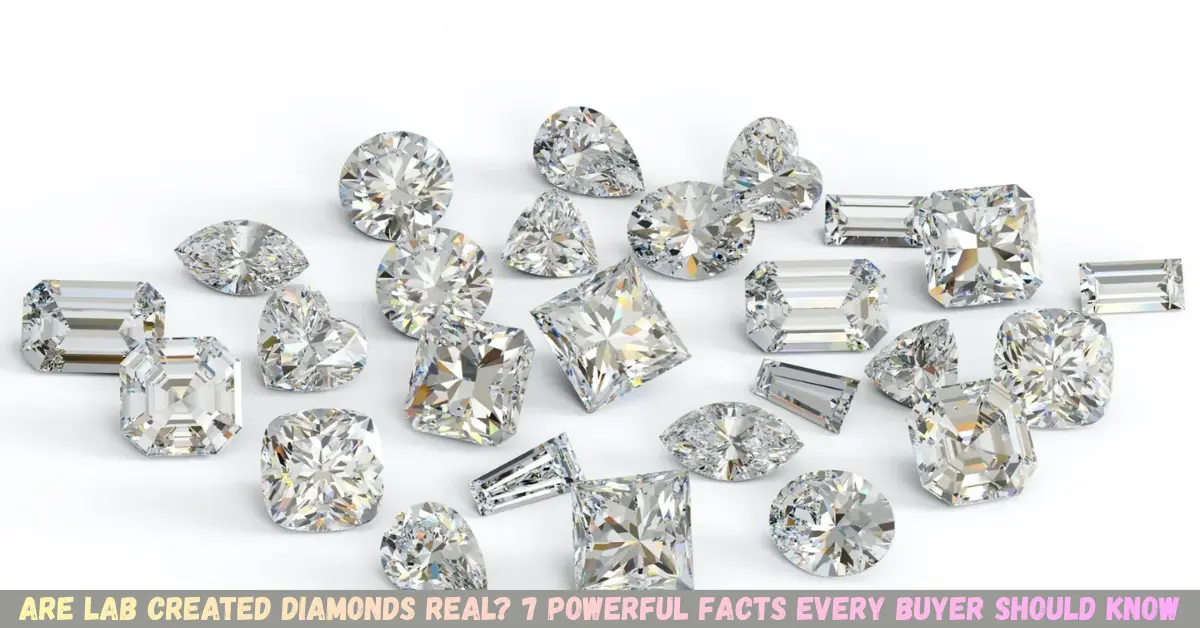

Do Diamonds Hold Their Value?
Do diamonds hold their value? Usually, a diamond does not retain its full retail purchase price when you resell it. The resale price can be considerably different from what you originally paid because retail pricing includes factors that do not transfer directly to the secondary market.
However, some diamonds can hold value better than others. The stone’s **4Cs—cut, color, clarity, and carat weight—**its certification, whether it is natural or laboratory-grown, market demand, condition, and the difference between retail and resale pricing all matter.
For buyers in India, this distinction is especially important. A diamond may look like a long-term asset when you purchase it from a jewellery store, but buying jewellery for personal use is different from buying an asset specifically for resale.
This guide explains how diamond value works, why resale prices can be lower, which characteristics can support value, and what you should check before buying a diamond.
Why Do Diamonds Lose Value After Purchase?
Diamonds can lose value after purchase because the price you pay at retail is not the same as the price a dealer or secondary buyer is willing to pay for the stone.
A jewellery store’s selling price can include several components, such as:
- The diamond itself
- Gold or platinum used in the jewellery
- Jewellery manufacturing
- Design and craftsmanship
- Retail operating costs
- Brand positioning
- Taxes and other purchase-related costs
- Retail margins
When you later sell the jewellery, a buyer does not necessarily reimburse you for all of these costs.
For example, imagine someone purchases a diamond ring for ₹2,00,000. That does not automatically mean another buyer will offer ₹2,00,000 for the ring later. The buyer may focus on the current market value of the diamond and metal rather than the original retail price.
This is one of the most important concepts to understand before purchasing a diamond.
Retail Price vs. Resale Price
Retail price and resale price serve different purposes.
Retail price is the amount a consumer pays when purchasing a product from a retailer.
Resale price is what another buyer, dealer, jeweller, or marketplace is prepared to pay for it later.
The difference between the two can be significant.
GIA explains that a diamond’s value is influenced by the combination of its 4Cs and the rarity of those characteristics.
Therefore, simply knowing how much you paid for a diamond is not enough to determine what it may be worth today.
What Determines a Diamond’s Value?
The most important factors are the 4Cs: cut, color, clarity, and carat weight. These characteristics are used internationally to describe diamond quality.
1. Cut
Cut has a major effect on a diamond’s appearance because it influences how the stone interacts with light.
A well-cut diamond can display attractive brilliance and sparkle, while a poorly proportioned diamond may appear less lively even when it has a high carat weight.
When considering resale, the overall quality and desirability of the diamond matter more than simply choosing the largest stone available.
2. Color
For traditional D-to-Z diamonds, color grading ranges from more colorless stones toward diamonds with increasingly visible yellow or brown tones.
GIA notes that rarity can influence value. Colorless diamonds are generally rarer than diamonds with noticeable yellow or brown coloration within this grading system.
That does not mean every colorless diamond is automatically a better purchase. Price, cut, clarity, size, certification, and market demand still need to be considered together.
3. Clarity
Clarity refers to characteristics such as inclusions and blemishes.
Higher clarity can increase rarity and value, but buyers should avoid assuming that the highest possible clarity is always necessary.
A diamond with good visual appearance and appropriate clarity may make more financial sense than paying a large premium for a clarity grade that provides little visible difference to the buyer.
4. Carat Weight
Carat refers to the diamond’s weight, not simply its physical size.
A larger diamond is not automatically worth proportionally more. GIA specifically notes that a 2-carat diamond is not necessarily worth twice as much as a 1-carat diamond because value depends on all four quality factors together.
Carat weight can affect rarity and pricing, but it should always be evaluated alongside cut, color, and clarity.
Does Diamond Certification Affect Resale Value?
Yes, reliable certification can make it easier to establish what a diamond actually is and how it has been graded.
A reputable grading report can document important characteristics such as:
- Carat weight
- Color
- Clarity
- Cut, where applicable
- Measurements
- Treatments
- Other identifying characteristics
GIA states that its reports provide an independent assessment of diamond quality and can help document a diamond’s characteristics when it is resold.
For a buyer, this documentation can reduce uncertainty.
Why Certification Matters
Suppose two diamonds look similar to the naked eye. One comes with recognized grading documentation while the other has limited paperwork.
A potential buyer may have more confidence in the documented stone because its characteristics can be independently checked.
This does not guarantee a specific resale price. A grading report confirms characteristics; it does not promise that a diamond will appreciate or retain its retail price.
Do Natural Diamonds Hold Their Value Better Than Lab-Grown Diamonds?
Natural and laboratory-grown diamonds should be considered separately when discussing value.
A natural diamond forms naturally underground, while a laboratory-grown diamond is produced through technological processes in a controlled environment.
Both can have essentially the same basic physical, chemical, and optical properties associated with diamond, but they are different categories of product. The FTC requires laboratory-created diamonds to be clearly identified as laboratory-grown or laboratory-created rather than represented as mined diamonds.
Laboratory-grown diamonds can be attractive to consumers because they may offer a larger stone or particular specifications at a lower initial purchase price.
However, buyers should not assume that a lower purchase price means the diamond will maintain that same percentage of value in the future.
Natural Diamond Resale Considerations
Natural diamonds have an established market and can have characteristics that influence desirability, including rarity, quality, size, provenance in certain cases, and certification.
But purchasing a natural diamond should still not be treated as a guarantee of financial appreciation.
Laboratory-Grown Diamond Resale Considerations
Laboratory-grown diamonds are also graded and identified by gemological laboratories. GIA, for example, has graded laboratory-grown diamonds since 2007 and its reports identify the growth process and relevant characteristics.
The important point is that natural and laboratory-grown diamonds should not be treated as interchangeable when evaluating future resale expectations.
Always ask the seller exactly what type of diamond you are buying.
Are Diamonds a Good Investment?
Diamonds can be valuable, but a jewellery purchase should not automatically be considered an investment.
This distinction is essential.
An investment is normally purchased with an expectation that it may generate income, appreciate, or preserve capital under defined conditions. A diamond ring is usually purchased primarily for personal enjoyment, jewellery use, or emotional significance.
Diamond prices can be affected by:
- Supply and demand
- Stone characteristics
- Consumer preferences
- Market conditions
- Retail and wholesale pricing
- Certification
- Brand
- Condition
- Natural versus laboratory-grown origin
Because of these variables, there is no universal resale percentage that applies to every diamond.
If your primary goal is wealth preservation, compare the diamond purchase with other financial assets rather than assuming that a beautiful stone will automatically increase in value.
What Type of Diamond May Hold Value Better?
There is no single diamond specification that guarantees strong resale value.
However, buyers can reduce uncertainty by focusing on quality, documentation, marketability, and realistic pricing.
A diamond may have stronger resale prospects when it has:
- A respected grading report
- Attractive cut and proportions
- Desirable color and clarity
- A commercially appealing carat weight
- Good overall condition
- Clear documentation
- No undisclosed treatments
- A recognizable and desirable design when purchased as jewellery
GIA emphasizes that value is connected to the combined characteristics of the 4Cs rather than one specification alone.
Rarity Can Matter
Rarity can influence value, but rarity alone does not make something a good investment.
For example, unusual colors, exceptional sizes, or particular combinations of characteristics can attract specialist interest. But the market for such stones may also be narrower.
For most consumers, purchasing a diamond that fits their budget and personal preferences is more practical than trying to predict which unusual characteristic might become valuable later.
How Much Value Does a Diamond Lose?
There is no reliable single percentage that applies to every diamond.
A diamond purchased at retail may sell for substantially less than its original retail price because the secondary market operates differently from the retail market.
The eventual offer can depend on:
- The diamond’s current market conditions
- Its 4Cs
- Whether it is natural or laboratory-grown
- Certification
- The jewellery setting
- Brand and design
- The condition of the item
- Where you sell it
- The buyer’s own costs and margin
This is why claims such as “all diamonds lose exactly 50%” or “diamonds always appreciate” should be treated cautiously.
There is no universal resale formula that applies to every diamond.
Diamond Value: What Buyers Should Compare
| Factor | Why It Matters | What to Check |
|---|---|---|
| Cut | Influences appearance and desirability | Cut grade and proportions |
| Color | Can affect rarity and price | Grading report |
| Clarity | Influences rarity and appearance | Clarity grade |
| Carat | Affects size and pricing | Exact carat weight |
| Certification | Documents quality characteristics | Recognized laboratory report |
| Diamond type | Natural and lab-grown markets differ | Clearly stated origin/type |
| Condition | Damage or wear can affect jewellery appeal | Inspect stone and setting |
| Brand | Can influence retail and secondary demand | Brand documentation |
| Setting | Metal and craftsmanship have separate value | Gold/platinum details |
| Purchase price | Determines your initial cost basis | Compare multiple sellers |
How to Check a Diamond’s Value Before Selling
If you already own a diamond and want to understand its potential resale value, avoid relying on the original invoice alone.
Step 1: Find Your Diamond Report
Locate the original grading report or certificate.
Check the report number, carat weight, color, clarity, cut, measurements, and other identifying information.
GIA provides a Report Check service that allows report information to be verified against its database.
Step 2: Confirm Whether It Is Natural or Laboratory-Grown
Do not assume based on appearance.
The documentation should clearly identify the diamond type. This distinction can have a major effect on how the secondary market evaluates the stone.
Step 3: Inspect the Jewellery
If the diamond is mounted in a ring, necklace, or earrings, examine the condition of both the stone and the setting.
Look for:
- Loose prongs
- Chips
- Scratches or damage
- Bent settings
- Missing stones
- Worn metal
- Broken clasps
A diamond may be durable, but the jewellery holding it can still require repair.
Step 4: Get More Than One Valuation
If you want to sell, consider obtaining quotes from more than one reputable buyer.
One dealer’s offer should not automatically be treated as the universal market value.
Step 5: Understand What the Offer Includes
Ask whether the offer is for:
- The diamond
- The precious metal
- The entire jewellery piece
- Brand value
- Any other components
This helps you compare offers properly.
Common Mistakes When Buying Diamonds for Resale
Mistake 1: Assuming the Retail Price Is the Investment Value
A ₹3 lakh diamond does not automatically have a ₹3 lakh resale value.
Always distinguish between what you paid and what a secondary buyer may pay.
Mistake 2: Buying Only for Carat Weight
A large diamond is not automatically the best-value diamond.
The 4Cs work together, and GIA specifically notes that size alone does not determine value.
Mistake 3: Ignoring Certification
Without reliable documentation, establishing the exact characteristics of a diamond can be more difficult.
Mistake 4: Confusing Natural and Lab-Grown Diamonds
Always confirm the diamond’s type before buying.
The FTC specifically requires clear disclosure when laboratory-created diamonds are marketed so consumers understand that they are not mined diamonds.
Mistake 5: Believing Every Diamond Is an Investment
A diamond can be beautiful, durable, meaningful, and valuable without being a high-performing financial investment.
Purchase it based on your actual objective rather than an assumption about future prices.
How Indian Buyers Can Make a Smarter Diamond Purchase
For buyers in India, the most useful approach is to separate personal jewellery value from financial value.
Before making a purchase, ask these questions:
- Is the diamond natural or laboratory-grown?
- What are its 4Cs?
- Is there a recognized grading report?
- Can the report be independently verified?
- What exactly is included in the quoted price?
- What is the return or exchange policy?
- Does the jeweller have a documented buyback policy?
- How is the buyback value calculated?
- Are there deductions when the jewellery is exchanged or resold?
- What happens to the value of the gold or other metal separately?
A written buyback or exchange policy is particularly useful because verbal promises can be difficult to evaluate later.
Also remember that a jewellery company’s exchange policy is not necessarily the same thing as an open-market resale price. An exchange may involve purchasing another item from the same business under its own terms.
Can a Diamond Increase in Value Over Time?
It is possible for particular diamonds to become more valuable under certain market circumstances, but future appreciation should never be treated as guaranteed.
Exceptional natural diamonds can attract specialist collectors, while rare characteristics may create additional demand.
However, ordinary consumer diamonds should not automatically be expected to appreciate simply because they are diamonds.
The safest approach is to view potential future value as uncertain and base your purchase primarily on the quality, price, design, and personal value of the jewellery.
How to Buy a Diamond With Future Resale in Mind
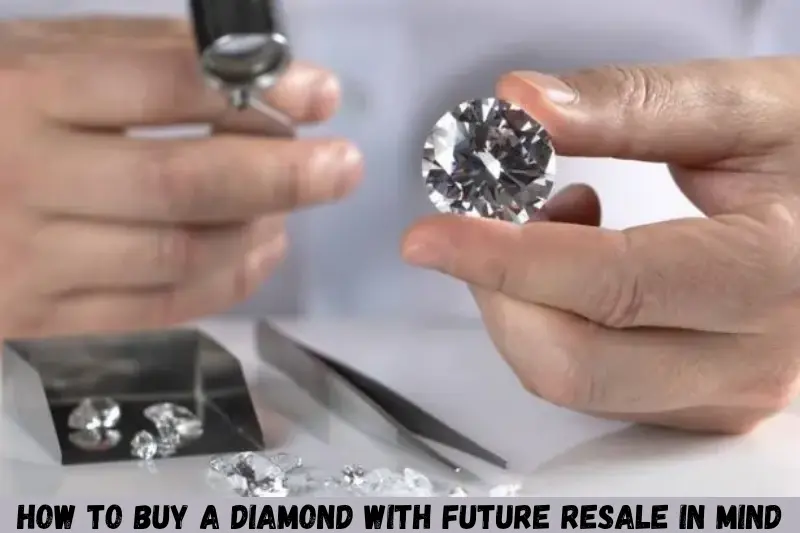
If resale matters to you, use this checklist before purchasing:
- Set your budget first. Do not stretch your finances because a salesperson suggests a larger stone.
- Compare the 4Cs. Look at cut, color, clarity, and carat together.
- Check the grading report. Verify the diamond’s characteristics.
- Confirm natural or laboratory-grown status.
- Compare prices from multiple sellers.
- Ask about treatments. Treatments can affect value and may require disclosure.
- Read the buyback policy.
- Keep the invoice and grading report.
- Protect the jewellery and documentation.
- Buy because you genuinely value the jewellery, not solely because you expect appreciation.
Frequently Asked Questions
Do diamonds hold their value?
Diamonds can retain some value, but they generally should not be expected to resell for the same amount originally paid at retail. Resale value depends on the diamond’s 4Cs, certification, natural or laboratory-grown status, condition, market demand, and the buyer’s pricing structure.
Do natural diamonds have better resale value than lab-grown diamonds?
Natural and laboratory-grown diamonds have different market characteristics, so they should not be evaluated as identical products. A natural diamond’s resale value can depend on its rarity, quality, certification, and demand. Laboratory-grown diamonds can also be valuable, but buyers should understand their distinct market before purchasing.
Which diamond holds value best?
There is no single diamond that guarantees the best resale value. Quality, rarity, cut, color, clarity, carat weight, certification, condition, and market demand all matter. A well-documented natural diamond with desirable characteristics may have stronger secondary-market demand, but that does not guarantee a particular resale price.
Does a diamond certificate increase resale value?
A grading report does not guarantee a higher resale price, but it can make the diamond’s characteristics easier to verify. GIA explains that its reports document important quality characteristics and can help establish the identity and quality of a diamond when it is being resold.
Should I buy a diamond as an investment?
Most consumers should be cautious about treating ordinary diamond jewellery as an investment. Diamonds can have significant personal and material value, but resale prices are affected by retail margins, market conditions, quality, certification, and demand. If financial return is your main objective, evaluate diamonds separately from conventional investment assets.
Conclusion:
A diamond can retain meaningful value, but consumers should not assume that its resale price will match its original retail price. The 4Cs, certification, diamond type, rarity, condition, market demand, and selling channel all influence what a buyer may be willing to pay.
For Indian buyers, the smartest approach is to treat a diamond purchase primarily as a jewellery purchase unless there is a specific, well-researched reason to consider a particular stone as an asset. Compare prices, verify the grading report, understand the difference between natural and laboratory-grown diamonds, and read the jeweller’s buyback or exchange terms before paying.