
Introduction
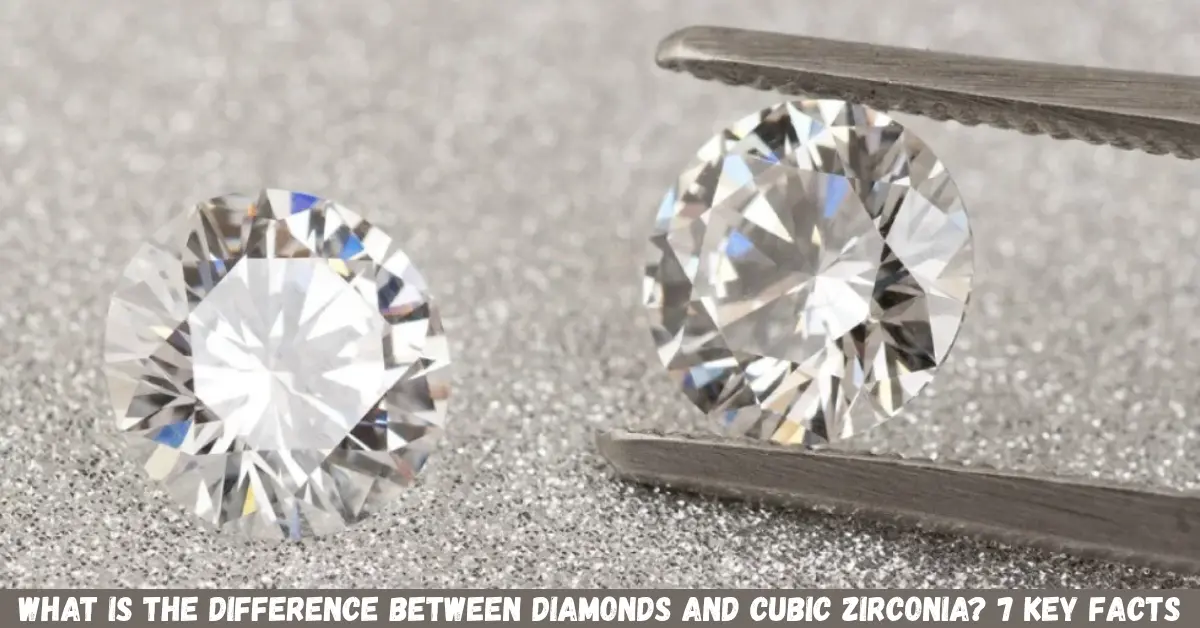
What is the difference between diamonds and cubic zirconia? The biggest difference is that a diamond is a carbon-based gemstone, while cubic zirconia (CZ) is a laboratory-created diamond simulant made from zirconium dioxide. They can look similar, but their chemical composition, hardness, optical properties, durability, and market value are different.
For someone shopping for jewelry in India, understanding these differences can help you choose a stone based on appearance, budget, durability, and personal preference.
Cubic zirconia is specifically designed to resemble diamond. According to the Gemological Institute of America (GIA), CZ is a simulant, meaning it imitates the appearance of another gemstone without having the same chemical and physical properties.
This guide explains the important differences between diamonds and cubic zirconia, how they look, how durable they are, how their prices differ, and what to check before buying.
What Is a Diamond?
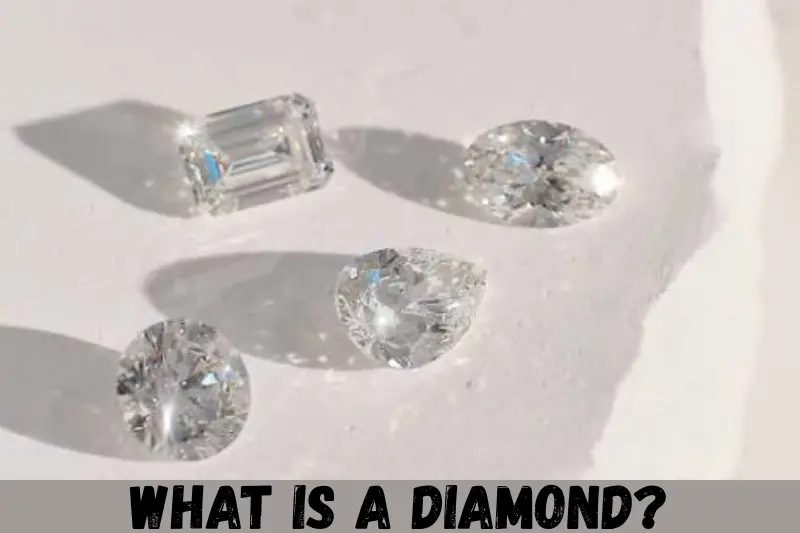
A diamond is a crystalline form of carbon in which the atoms are arranged in a strong three-dimensional crystal structure. Natural diamonds form under extremely high temperature and pressure deep within the Earth.
Diamonds are known for their exceptional hardness, brilliance, durability, and distinctive optical properties. GIA lists diamond with a Mohs hardness of 10 and a refractive index of approximately 2.42.
Diamonds can be natural or laboratory-grown. Importantly, a laboratory-grown diamond is still a diamond because it has essentially the same chemical, physical, and optical properties as natural diamond. It should not be confused with cubic zirconia.
Main Characteristics of Diamond
- Chemical composition: Carbon
- Mohs hardness: 10
- Refractive index: Approximately 2.42
- Excellent scratch resistance
- High brilliance
- Suitable for everyday jewelry
- Available in natural and laboratory-grown forms
- Generally much more expensive than cubic zirconia
The appearance and quality of a diamond are commonly evaluated through the well-known 4Cs: Color, Clarity, Cut, and Carat Weight.
What Is Cubic Zirconia?
Cubic zirconia, commonly called CZ, is a laboratory-created gemstone made from zirconium dioxide. It was developed as a practical diamond simulant and became widely used in jewelry because it can provide a diamond-like appearance at a much lower cost.
CZ is not a diamond and is not a laboratory-grown diamond. It only imitates the visual appearance of diamond.
GIA reports that cubic zirconia has a Mohs hardness of about 8.5, making it reasonably durable but still softer than diamond. Its refractive index is around 2.16, lower than diamond’s approximately 2.42.
Main Characteristics of Cubic Zirconia
- Chemical composition: Zirconium dioxide
- Laboratory-created material
- Mohs hardness: About 8.5
- Lower refractive index than diamond
- Generally very clear
- Available in many colors
- Much less expensive than diamond
- Can develop scratches more easily than diamond
What Is the Difference Between Diamonds and Cubic Zirconia?
The easiest way to understand the difference is to compare their composition, hardness, sparkle, durability, weight, price, and long-term appearance.
| Feature | Diamond | Cubic Zirconia |
|---|---|---|
| Composition | Carbon | Zirconium dioxide |
| Origin | Natural or laboratory-grown | Laboratory-created |
| Type | Genuine gemstone | Diamond simulant |
| Mohs hardness | 10 | About 8.5 |
| Refractive index | About 2.42 | About 2.16 |
| Durability | Extremely high | Good, but lower than diamond |
| Brilliance | Higher | Generally lower |
| Fire | Strong | Can show slightly more fire |
| Clarity | Naturally variable | Often very clear |
| Price | Generally much higher | Much more affordable |
| Long-term scratching | Highly resistant | More susceptible |
| Diamond identity | Yes | No |
The differences above are based on gemological properties documented by GIA.
1. Chemical Composition Is Completely Different
The most fundamental difference is their chemical composition.
Diamond consists of carbon atoms arranged in a crystal structure. Cubic zirconia consists primarily of zirconium dioxide and has a completely different chemical structure.
This distinction is important because CZ is sometimes incorrectly described as a type of artificial diamond. It is not. GIA classifies cubic zirconia as a diamond simulant, whereas laboratory-grown diamond is actual diamond.
2. Diamond Is Harder Than Cubic Zirconia
Hardness is another major difference.
Diamond has a Mohs hardness of 10, while cubic zirconia has a hardness of approximately 8.5.
This does not mean CZ is fragile. An 8.5 hardness rating makes it reasonably suitable for jewelry. However, diamond has a significant advantage when it comes to resistance to scratching.
For an engagement ring or another piece of jewelry that you expect to wear every day, this difference can become important over many years.
3. Diamonds and CZ Have Different Sparkle
Both stones can sparkle beautifully, but their optical behavior is different.
Diamond has a refractive index of about 2.42, while CZ is around 2.16. Refractive index influences how light travels through a gemstone and contributes to its visual appearance.
CZ can display noticeable flashes of colored light, often called fire. GIA notes that CZ has slightly more fire but less brilliance than diamond.
This means that a large CZ can look very bright and colorful, while a well-cut diamond often has a different balance of brilliance, contrast, and fire.
Does Cubic Zirconia Look Like Diamond?
Yes, cubic zirconia can look similar to diamond, particularly from a distance. However, experienced jewelers and gemologists can distinguish them using their different physical and optical properties.
Visual appearance alone should not be considered a reliable method for identifying a stone. Gemological testing can use properties such as refractive index and density to identify a gemstone.
4. Price Is One of the Biggest Differences
Cubic zirconia is generally far more affordable than diamond.
That lower price is one of the main reasons CZ is popular for fashion jewelry, costume jewelry, statement pieces, and buyers who want the appearance of a larger sparkling stone without the price associated with diamond.
Diamond prices vary significantly depending on factors such as:
- Carat weight
- Color
- Clarity
- Cut
- Natural or laboratory-grown origin
- Certification and grading
- Market conditions
CZ does not carry the same diamond grading considerations or market positioning.
If your main priority is getting a large, sparkling stone for a limited jewelry budget, CZ can provide that appearance without requiring a diamond-sized investment.
5. CZ Is Often Clearer Than Natural Diamond
Many cubic zirconia stones are manufactured with very high apparent clarity and few visible imperfections. Natural diamonds, on the other hand, can contain inclusions and other characteristics formed during their geological history.
This does not automatically make CZ “better.” Clarity is only one part of a gemstone’s appearance, and diamond quality is assessed using several factors.
A natural diamond with visible inclusions can still be valuable, while a flawless-looking CZ remains a diamond simulant.
6. Cubic Zirconia Can Change Appearance Over Time
CZ is reasonably durable, but it does not have the same scratch resistance as diamond.
GIA notes that CZ can scratch more easily and that colorless CZ may yellow over time.
This is particularly relevant for rings that receive frequent contact with hard surfaces.
If you choose CZ for everyday jewelry, regular cleaning and appropriate care can help maintain its appearance.
7. Weight Can Also Differ
Gemstones with different densities can have different weights even when their dimensions are similar.
This is another reason a trained professional can distinguish diamond from a simulant. Gemological identification does not rely solely on appearance; professionals can use physical and optical measurements.
For consumers, the practical lesson is simple: a stone that looks like a diamond should not automatically be assumed to be one.
Diamond vs Cubic Zirconia: Which Looks Better?
There is no single visual answer because appearance depends on cut, lighting, size, and individual preference.
A well-cut diamond generally provides strong brilliance and a distinctive balance of white light and colored flashes. CZ can produce attractive sparkle as well, sometimes with more noticeable broad flashes of color.
For everyday jewelry, some people prefer the appearance and durability of diamond. Others prefer CZ because it allows them to experiment with larger stones and different designs at a lower cost.
Instead of judging only by sparkle, look at the stone under different lighting conditions before purchasing.
Is Cubic Zirconia a Fake Diamond?
Cubic zirconia is not a diamond, but calling it simply a “fake diamond” can be misleading.
The more accurate gemological term is diamond simulant. A simulant is a material that resembles another gemstone but has different chemical and physical properties.
CZ is a legitimate jewelry material. The important thing is that sellers should clearly identify it as cubic zirconia rather than presenting it as natural or laboratory-grown diamond.
Is Lab-Grown Diamond the Same as Cubic Zirconia?
No. This is one of the most important distinctions for jewelry buyers.
A laboratory-grown diamond is genuine diamond produced using controlled technological processes. It has essentially the same chemical composition and many of the same physical and optical properties as natural diamond.
Cubic zirconia is a different material that only imitates diamond’s appearance. GIA specifically distinguishes laboratory-grown diamonds from simulants such as CZ and synthetic moissanite.
Simple Example
Think of it this way:
Natural diamond: Diamond formed naturally in the Earth.
Laboratory-grown diamond: Diamond created in a laboratory.
Cubic zirconia: A different material made to look like diamond.
That distinction is essential when comparing jewelry prices.
How to Tell Diamond and Cubic Zirconia Apart
A simple visual inspection can sometimes provide clues, but it is not the most reliable identification method.
Professional gemological testing is much more dependable because diamond and CZ have different physical and optical properties.
Signs That May Help
A trained professional may consider:
- Refractive index
- Density or specific gravity
- Optical properties
- Magnification characteristics
- Thermal or electrical response with appropriate instruments
- Professional laboratory testing
GIA explains that gemologists use scientific measurements rather than appearance alone when identifying stones that may be diamond, CZ, or another simulant.
Avoid the Scratch Test
A common mistake is trying to scratch jewelry to determine whether it is diamond.
This is not a sensible consumer test because it can damage the jewelry or stone and does not provide the kind of reliable identification that professional gemological equipment can provide.
If a valuable stone is being represented as diamond, professional testing or an appropriate gemological report is the safer approach.
Which Should You Choose for Jewelry?
The choice depends on what you value most.
Choose Diamond If You Prioritize
- Maximum hardness
- Long-term scratch resistance
- Traditional diamond identity
- High brilliance
- Natural or laboratory-grown diamond options
- A gemstone intended for generations of use
Choose Cubic Zirconia If You Prioritize
- Lower upfront cost
- Large-looking stones
- Fashion jewelry
- Frequent style changes
- Experimenting with different colors and shapes
- A diamond-like appearance without purchasing a diamond
Neither choice needs to be treated as universally right or wrong. They serve different purposes and price points.
Buying Tips for Indian Jewelry Shoppers
If you are buying a ring, pendant, earrings, or another piece of jewelry in India, start by confirming exactly what gemstone is being sold.
Before Buying, Check These Details
- Ask for the exact stone name. Confirm whether it is natural diamond, laboratory-grown diamond, cubic zirconia, moissanite, or another gemstone.
- Check the jewelry description. Do not assume that terms such as “diamond look” mean the stone is diamond.
- Ask about certification when appropriate. For a significant diamond purchase, consider a reputable gemological report.
- Compare the stone under different lighting. Indoor lighting and daylight can make gemstones appear different.
- Check the metal. The value of a jewelry piece also depends on whether it uses gold, platinum, silver, or another metal.
- Keep the invoice and documentation. Accurate documentation can be useful for future insurance, resale, repair, or verification.
Common Mistakes to Avoid
Mistake 1: Thinking CZ and Lab-Grown Diamond Are the Same
They are not. Lab-grown diamond is diamond; CZ is a diamond simulant.
Mistake 2: Choosing Only by Size
A very large stone may look impressive, but size alone does not determine whether it is diamond or CZ.
Mistake 3: Assuming More Fire Means Better
CZ can show strong flashes of colored light. More visible fire is not automatically an indication of higher quality or authenticity.
Mistake 4: Believing Every Online “Diamond” Listing
Always read the product description carefully. Look for terms such as cubic zirconia, CZ, simulated diamond, lab-grown diamond, or natural diamond.
Mistake 5: Using Home Tests on Expensive Jewelry
If the jewelry is valuable, professional identification is safer and more reliable than attempting potentially damaging home tests.
Frequently Asked Questions
1. What is the difference between diamonds and cubic zirconia?
The primary difference is composition. Diamond is crystalline carbon, while cubic zirconia is zirconium dioxide produced as a diamond simulant. Diamond has a Mohs hardness of 10 and a refractive index of about 2.42, while CZ has a hardness of about 8.5 and a refractive index around 2.16.
2. Is cubic zirconia better than diamond?
CZ is not a replacement for every characteristic of diamond. It is much more affordable and can provide an attractive diamond-like appearance, but it is softer and generally has less brilliance. The better option depends on your budget, intended use, appearance preference, and how much importance you place on diamond’s durability and identity.
3. Can people tell cubic zirconia from diamond?
A CZ stone can look very similar to diamond, especially without close examination. However, diamonds and CZ have different physical and optical properties. Professional gemologists can use measurements and specialized equipment to distinguish them reliably rather than relying only on visual appearance.
4. Is cubic zirconia a real gemstone?
Cubic zirconia is a legitimate laboratory-created gemstone material, but it is not diamond. In gemological terminology, CZ is a diamond simulant because it imitates diamond’s appearance while having a different chemical composition and physical properties. It is widely used in jewelry because it is durable, attractive, and comparatively affordable.
5. Is a lab-grown diamond the same as cubic zirconia?
No. A lab-grown diamond is genuine diamond created in a laboratory and has essentially the same chemical composition and physical properties as natural diamond. Cubic zirconia is made from zirconium dioxide and only imitates diamond. This difference is important when comparing jewelry prices, durability, and gemstone identity.
Conclusion
Understanding what is the difference between diamonds and cubic zirconia becomes much easier when you focus on the basic facts. Diamond is carbon, has a Mohs hardness of 10, and has a refractive index of approximately 2.42. Cubic zirconia is zirconium dioxide, has a hardness of about 8.5, and has a lower refractive index.
CZ can be an attractive and affordable choice for fashion jewelry and buyers who want a diamond-like appearance at a much lower cost. Diamond, whether natural or laboratory-grown, is a fundamentally different gemstone with greater hardness and distinct optical and physical properties.
If you are planning to buy jewelry, the practical next step is to confirm exactly which stone you are purchasing, compare its specifications and documentation, and choose according to your budget and intended use rather than appearance alone.