
What Are the Disadvantages of Lab Grown Diamonds?
What are the disadvantages of lab grown diamonds? The main drawbacks can include weaker long-term resale prospects, lower rarity, changing market prices, uncertainty about environmental impact depending on how they are produced, and the need to verify that the stone is properly disclosed and graded.
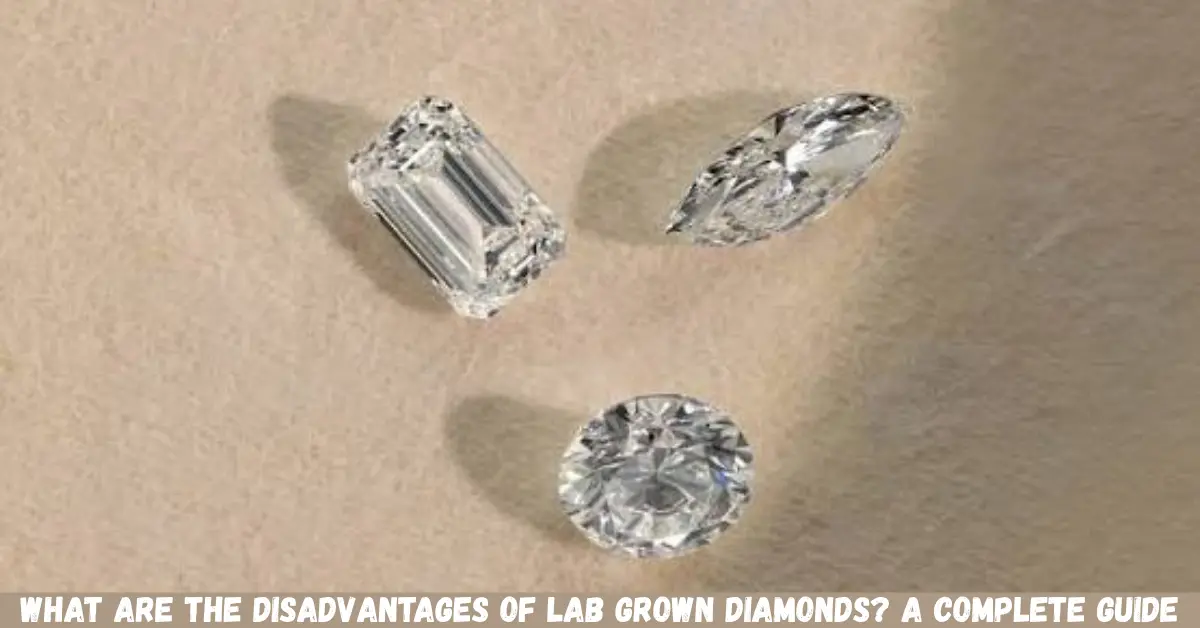
Lab grown diamonds are real diamonds rather than diamond imitations. They have essentially the same chemical, physical, and optical properties as natural diamonds, but they are produced using technological processes such as Chemical Vapor Deposition (CVD) or High Pressure High Temperature (HPHT) rather than being formed naturally underground.
For buyers in India, the decision can be particularly important because a diamond purchase may be connected to an engagement, wedding, family tradition, gifting, or long-term ownership. A lower purchase price can be attractive, but price is only one part of the decision.
This guide explains the disadvantages without treating lab grown diamonds as either automatically good or bad. It looks at the practical issues buyers should understand before purchasing one.
1. Lab Grown Diamonds Are Not Naturally Rare
One of the biggest differences between lab grown and natural diamonds is their origin and rarity.
Natural diamonds are geological materials that formed deep within the Earth over extremely long periods. Lab grown diamonds are manufactured in controlled environments using modern technology.
That difference matters to buyers who place importance on natural rarity.
A lab grown diamond can have the same basic diamond properties as a natural diamond, but its origin is different. The Federal Trade Commission requires laboratory-created diamonds to be clearly distinguished from mined diamonds in advertising and sales descriptions.
Why does rarity matter?
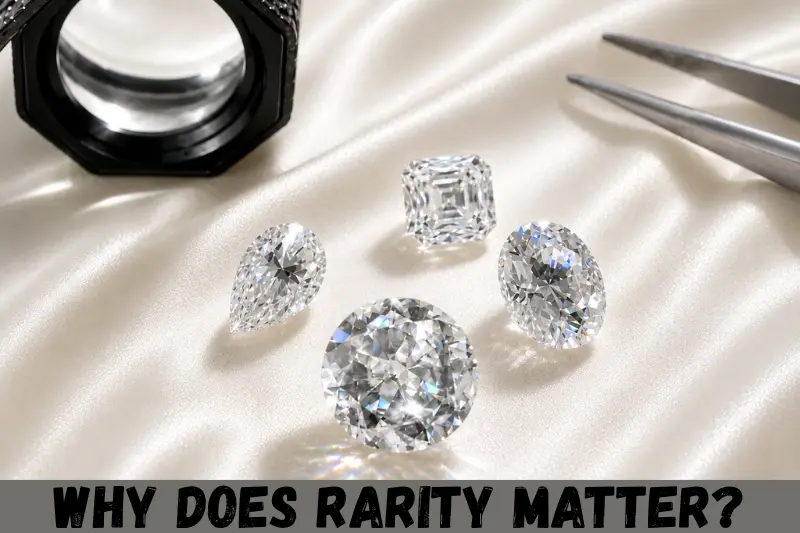
Rarity can influence how consumers perceive a gemstone. Some people specifically want a natural diamond because they value its geological origin and natural history.
For other buyers, rarity may not matter at all. They may care more about appearance, size, quality, price, or ethical considerations.
Therefore, this disadvantage depends heavily on what you expect from your purchase.
2. Resale Value Can Be a Concern
Potential resale value is one of the most important issues to understand before buying a lab grown diamond.
A diamond’s original retail price should not automatically be treated as the amount you can recover when you sell it later. The same principle applies to many types of jewellery.
With lab grown diamonds, buyers should be particularly careful about assuming that today’s purchase price will translate into similar future resale value.
Why can resale be difficult?
The lab grown diamond market is technology-driven. Improvements in manufacturing can increase the availability of diamonds and influence retail pricing.
This means a buyer should not purchase a lab grown diamond primarily as a financial investment unless they have independently established why that particular stone or jewellery item should retain value.
GIA itself does not provide an appraisal value on its reports. Its reports provide technical information about a diamond’s characteristics, while monetary value is determined separately.
Practical tip: If resale matters to you, ask the jeweller about its written buyback or exchange policy before making the purchase. Do not rely only on verbal statements such as “this will hold its value.”
3. Prices and Market Conditions Can Change
Another potential disadvantage is that lab grown diamond pricing can be affected by technological improvements and production capacity.
Because these diamonds are manufactured, production is not limited by the geological supply of natural diamonds.
For consumers, this can be useful because increased production may create more choice. However, it also means buyers should be cautious about viewing a lab grown diamond as a traditional store of value.
What does this mean for buyers?
Imagine someone purchases a lab grown diamond mainly because it is larger than a natural diamond available within the same budget. That can make sense if the buyer’s goal is appearance and personal enjoyment.
However, if the buyer expects the stone to behave like a scarce collectible asset, the purchase requires a different analysis.
The safest approach is to treat the diamond primarily as jewellery unless you have professional financial or market information supporting another expectation.
4. The Environmental Advantage Is Not Automatic
Lab grown diamonds are sometimes marketed as an environmentally friendly alternative to mined diamonds. However, it is too simplistic to assume that every lab grown diamond has the same environmental footprint.
Laboratory production requires energy. The environmental impact can therefore depend on the technology used, the efficiency of the facility, and the source of electricity used in production.
GIA has previously noted that laboratory diamond production requires significant energy and that the environmental impact depends on whether the energy comes from fossil-fuel or renewable sources. It also stated that there was not a single definitive answer covering the environmental impact of all lab grown diamonds.
What should environmentally conscious buyers ask?
Before accepting broad sustainability claims, ask:
- What production method was used?
- Where was the diamond produced?
- What information is available about its energy source?
- Does the seller provide evidence for environmental claims?
- Are the claims specific to the particular manufacturer?
This is more reliable than assuming that “lab grown” automatically means “environmentally harmless.”
5. You Still Need to Check Certification and Identification
A lab grown diamond can look extremely similar to a natural diamond, making proper documentation important.
GIA explains that laboratory-grown diamonds share many gemological and physical properties with natural diamonds. Advanced testing may be required to distinguish them accurately.
This means a buyer should not depend solely on appearance.
What should you check?
Before purchasing, ask for:
- A recognized gemological report or quality assessment where appropriate.
- Clear identification that the stone is laboratory-grown.
- Details of the growth method, where provided.
- Information about any post-growth treatment.
- A matching inscription or report number when applicable.
- A detailed invoice describing the product accurately.
GIA’s current laboratory-grown services provide a distinct format for these stones and can identify the growth process and certain treatments.
6. Confusion Between “Lab Grown” and “Fake” Can Cause Problems
One common misunderstanding is that lab grown diamonds are simply fake diamonds.
That is incorrect.
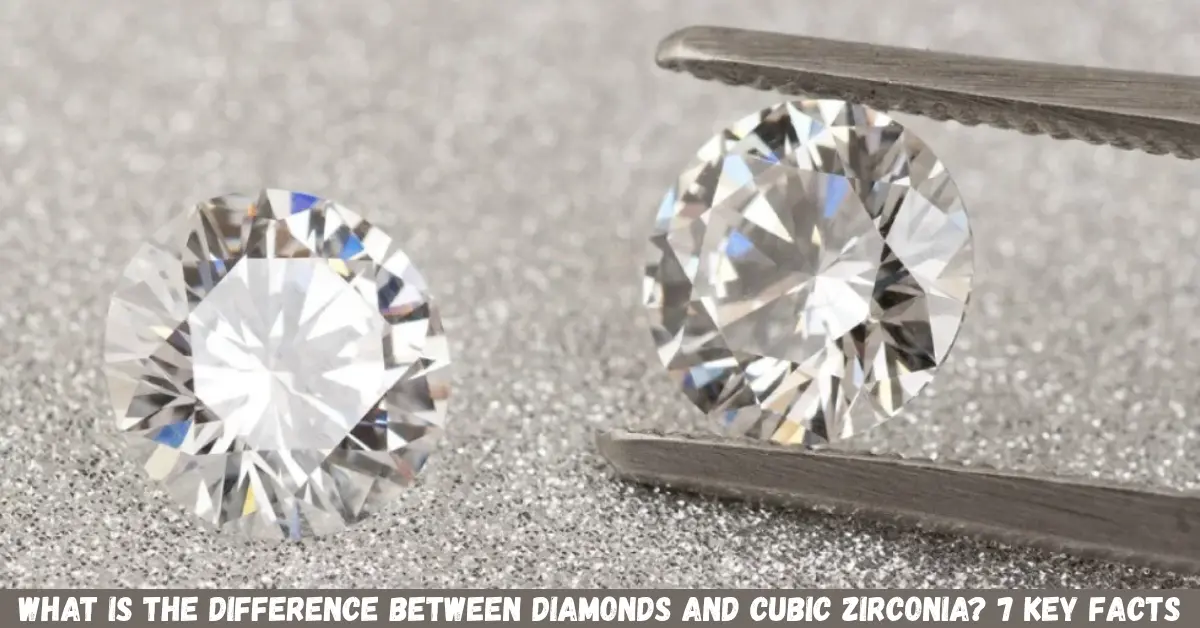
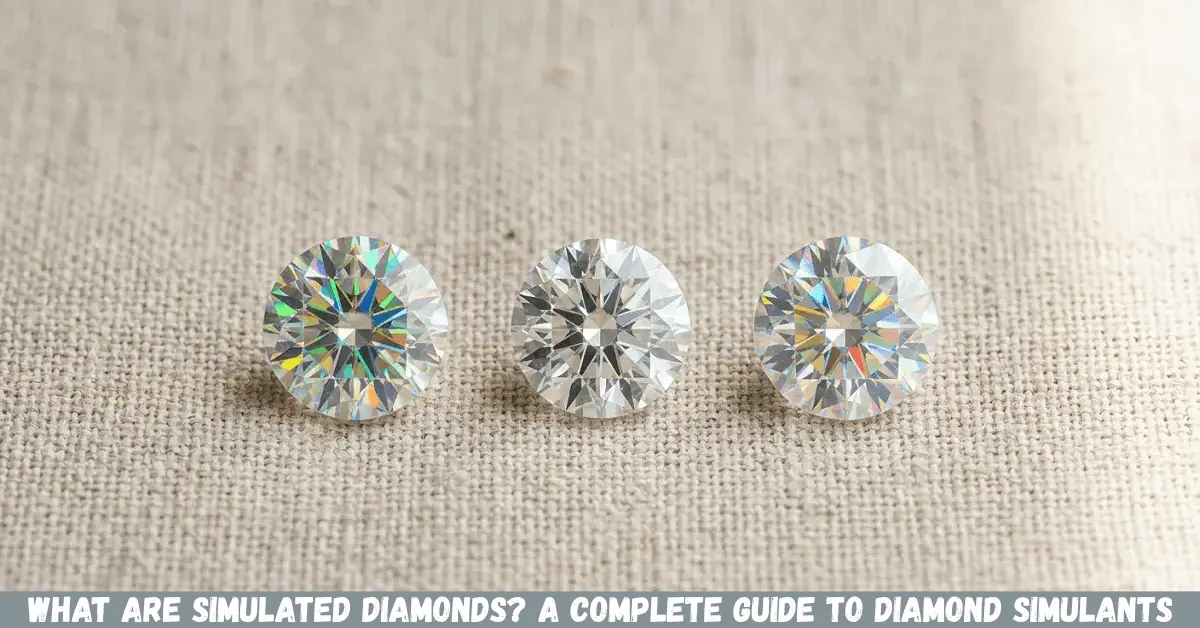
A laboratory-grown diamond is different from a diamond simulant such as cubic zirconia. A lab grown diamond has essentially the same chemical, physical, and optical properties as a natural diamond, while a simulant only imitates its appearance.
However, the distinction between natural diamond, laboratory-grown diamond, and simulant still needs to be clear on the purchase documents.
This is particularly important when buying expensive jewellery online, where product descriptions can sometimes be confusing.
7. The Diamond’s Origin May Matter for Sentimental Reasons
A diamond is not always purchased simply because it looks beautiful.
For some couples and families, the idea of owning a naturally formed gemstone is part of the emotional meaning attached to an engagement ring or wedding jewellery.
A lab grown diamond may not provide that same sense of geological history for someone who specifically values natural origin.
On the other hand, another buyer may appreciate the fact that the diamond was created through modern technology.
There is no universal answer here. The important point is to identify what the diamond represents to you before purchasing it.
8. Some Buyers May Prefer the Traditional Natural Diamond Market
Natural diamonds have an established place in the jewellery industry, with established grading systems, retailers, dealers, and consumer expectations.
Lab grown diamonds are also well established as a category, but their market continues to evolve.
GIA has changed its approach to evaluating laboratory-grown diamonds. In 2025, GIA announced a new descriptive approach using categories such as “Premium” and “Standard” for qualifying laboratory-grown diamonds rather than continuing to use its traditional natural-diamond color and clarity nomenclature in the same way.
For consumers, this is a reminder that laboratory-grown diamond documentation and terminology can evolve over time.
9. Not Every Lab Grown Diamond Has the Same Quality
“Lab grown” describes the origin of a diamond, not its complete quality.
Two lab grown diamonds can have different:
- Cut quality
- Color
- Clarity
- Carat weight
- Polish
- Symmetry
- Growth characteristics
- Treatments
- Overall appearance
A common mistake is to compare diamonds only by carat weight.
Why cut matters
A well-cut diamond can interact with light more effectively than a poorly cut stone. Therefore, a larger diamond is not automatically the more attractive option.
When comparing two lab grown diamonds, look beyond the headline carat number and examine the available grading information.
10. HPHT and CVD Diamonds Can Have Different Characteristics
Two major technologies used to produce lab grown diamonds are HPHT and CVD.
HPHT stands for High Pressure High Temperature. It recreates conditions associated with diamond formation using high pressure and high temperature.
CVD stands for Chemical Vapor Deposition. It grows diamond material from a carbon-containing gas under controlled laboratory conditions.
Both methods can produce gem-quality diamonds, but the resulting stones can have different characteristics.
GIA reports identify the growth process for laboratory-grown diamonds and may also disclose evidence of post-growth treatments.
This is why buyers should look at the actual stone and documentation rather than assuming all lab grown diamonds are identical.
Lab Grown Diamonds vs Natural Diamonds: Key Differences
| Factor | Lab Grown Diamond | Natural Diamond |
|---|---|---|
| Origin | Produced in a laboratory or manufacturing facility | Formed naturally within the Earth |
| Chemical nature | Diamond | Diamond |
| Main production/growth methods | CVD or HPHT | Natural geological formation |
| Rarity | Manufactured and reproducible | Naturally occurring and comparatively limited |
| Resale expectations | Should be investigated carefully | Depends on stone, market and buyer |
| Environmental considerations | Depends significantly on energy and production method | Mining has its own environmental considerations |
| Identification | Requires appropriate gemological testing/documentation | Gemological testing can identify natural origin |
| Emotional appeal | May appeal to technology-focused buyers | May appeal to buyers valuing natural origin |
The table shows why neither category should be judged using price alone. The right choice depends on what you value most in the purchase.
Are Lab Grown Diamonds a Bad Choice?
No. The disadvantages of lab grown diamonds do not mean they are automatically a bad choice.
A lab grown diamond may make sense for someone who prioritizes:
- A larger stone within a particular budget
- Diamond material rather than natural origin
- Modern manufacturing
- Personal appearance and design
- A lower purchase price compared with a similar natural diamond
The same purchase may be less suitable for someone who places strong importance on natural rarity, geological origin, traditional diamond symbolism, or potential long-term value.
The key is to understand what you are buying rather than purchasing based on marketing language alone.
How to Buy a Lab Grown Diamond Safely in India
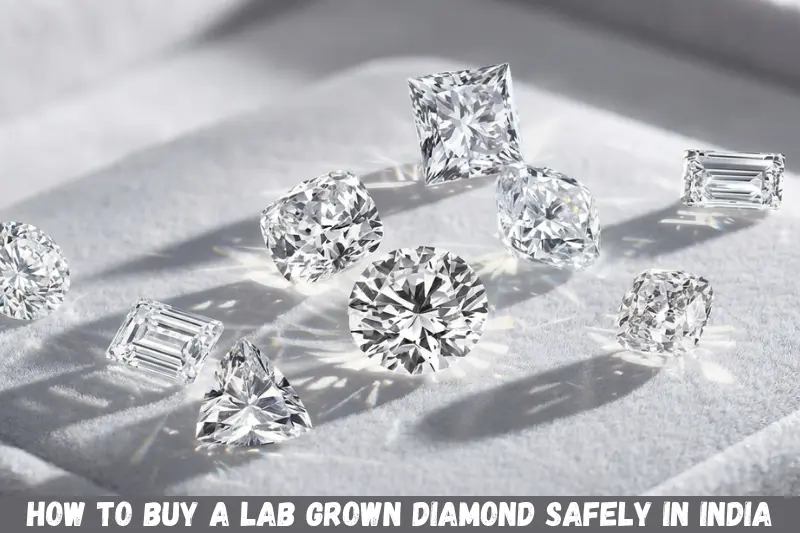
If you are shopping for a lab grown diamond in India, follow these steps.
Step 1: Confirm That It Is Laboratory-Grown
Ask the seller to state clearly that the stone is laboratory-grown.
India’s Bureau of Indian Standards has highlighted the importance of clear terminology and disclosure for natural, laboratory-grown, treated and imitation diamonds. Its IS 19469:2025 standard addresses consumer confidence and clear descriptions of diamond products.
Step 2: Ask for Independent Documentation
Request a recognized gemological report or quality assessment appropriate to the stone.
Do not confuse a retailer’s internal product card with an independent gemological report.
Step 3: Compare the Complete Specifications
Check:
- Carat weight
- Cut or overall quality information
- Color
- Clarity
- Measurements
- Growth method
- Treatments
- Report number
Step 4: Check the Seller’s Return Policy
Read the written return, exchange and buyback conditions before paying.
This is especially important for expensive jewellery.
Step 5: Ask About Future Exchange or Buyback
If you think you might upgrade or sell the jewellery later, ask exactly how the retailer calculates the exchange or buyback amount.
Get the policy in writing.
Step 6: Compare More Than One Stone
Do not buy the first lab grown diamond you see.
Compare several stones with similar specifications and inspect their pricing, documentation and appearance.
Common Mistakes to Avoid
Mistake 1: Assuming Lab Grown Means Fake
A lab grown diamond is not the same as a diamond simulant. Lab grown diamonds have essentially the same basic chemical, physical and optical properties as natural diamonds.
Mistake 2: Treating the Diamond Like an Investment
A jewellery purchase and an investment are not automatically the same thing. Do not assume that a diamond will appreciate simply because you paid a significant amount for it.
Mistake 3: Believing Every Environmental Claim
Ask for evidence behind sustainability claims rather than assuming all laboratory production uses renewable energy.
Mistake 4: Choosing Only by Carat
A bigger diamond is not necessarily a better-looking diamond. Examine its overall quality and appearance.
Mistake 5: Ignoring Documentation
A reputable seller should clearly identify what you are buying. Proper documentation helps reduce confusion between natural, laboratory-grown and simulated stones.
Frequently Asked Questions
1. What is the biggest disadvantage of lab grown diamonds?
One major consideration is that buyers should not assume strong long-term resale value simply because a lab grown diamond has a high retail price. Their manufactured nature and changing production technology can affect market pricing. Buyers should therefore focus on personal value and jewellery quality rather than treating the stone as a guaranteed financial investment.
2. Are lab grown diamonds less valuable than natural diamonds?
Lab grown and natural diamonds are both diamond material, but their market positioning is different because their origins are different. A lab grown diamond is manufactured rather than naturally formed. Monetary value depends on factors such as quality, market conditions, retailer pricing and buyer demand, so origin should be considered when comparing prices.
3. Are lab grown diamonds environmentally friendly?
They can have environmental advantages in some circumstances, but the answer depends on how they are produced. Laboratory production requires energy, and the environmental impact can vary according to the electricity source, manufacturing process and facility efficiency. Therefore, buyers should look for specific evidence rather than assuming every lab grown diamond has the same environmental footprint.
4. Can you tell a lab grown diamond from a natural diamond by looking at it?
Usually, visual inspection alone is not a reliable way for an ordinary consumer to determine origin. Lab grown diamonds can share many physical and optical properties with natural diamonds. Specialized gemological testing and appropriate documentation can identify laboratory-grown stones. GIA uses advanced analytical methods to distinguish laboratory-grown diamonds from natural diamonds.
5. Should I buy a lab grown diamond for an engagement ring?
A lab grown diamond can be suitable if you are comfortable with its laboratory origin and your priorities include appearance, budget and personal preference. Before purchasing, compare the stone’s quality, documentation, return policy and price. If natural origin or long-term resale considerations are especially important to you, compare those factors separately before making your decision.
Conclusion
What are the disadvantages of lab grown diamonds? The main considerations are their manufactured origin, lower natural rarity, uncertain resale expectations, changing market conditions, and the fact that their environmental impact depends on how they are produced rather than simply on the “lab grown” label.
At the same time, lab grown diamonds are genuine diamonds with essentially the same basic chemical, physical and optical properties as natural diamonds.
For an Indian buyer, the smartest next step is to compare the actual stone, independent documentation, total price, seller’s return or exchange policy, and your personal priorities before buying. Do not choose solely because a diamond is larger or cheaper.