
Introduction
A Dutch marquise engagement ring offers a distinctive alternative to traditional round, oval, and standard marquise engagement rings. Its elongated, pointed silhouette creates a dramatic look while giving the center stone a strong presence across the finger.
The term “Dutch marquise” is used in the jewelry market for a particular marquise-style design, but shoppers should know that it is not a standardized GIA diamond shape designation. GIA classifies marquise as a fancy shape with curved sides and pointed ends, while some jewelers use “Dutch marquise” as a trade or design term for a specific elongated geometry.
For shoppers in the USA, choosing the right Dutch marquise engagement ring means looking beyond the name. Diamond proportions, symmetry, sparkle, protection for the pointed ends, metal choice, setting style, and overall comfort all matter.
What Is a Dutch Marquise Engagement Ring?
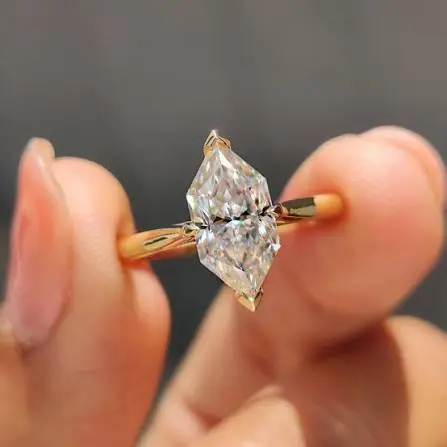
A Dutch marquise engagement ring typically features an elongated, pointed center diamond with a distinctive silhouette. Depending on the jeweler, the term may describe a particular variation of the marquise shape rather than an independently standardized diamond shape.
A traditional marquise diamond has two pointed ends and curved sides. GIA notes that marquise diamonds are generally elongated and that their length-to-width proportions can vary considerably, giving shoppers plenty of choices in appearance.
The Dutch marquise style can appeal to someone who wants:
- A unique engagement ring silhouette
- An elongated center stone
- A vintage-inspired or fashion-forward appearance
- A diamond that looks visually substantial on the finger
- An alternative to conventional round and oval shapes
- A design that works with modern or classic settings
Because terminology can vary between jewelers, always examine the actual diamond dimensions and grading report instead of choosing a stone based on its marketing name alone.
Why Choose a Dutch Marquise Engagement Ring?
The biggest attraction is its distinctive visual presence. An elongated diamond can cover more of the finger from end to end, creating an elegant and dramatic appearance.
1. Elongated Shape Creates Strong Finger Coverage
Marquise diamonds are known for their elongated outline. GIA explains that this shape can create the illusion of a larger diamond when viewed from above and can visually lengthen the appearance of the finger.
For example, two diamonds with similar carat weights can look quite different on the hand. An elongated marquise may appear more prominent because of its length.
2. It Offers a Distinctive Alternative
Round diamonds remain a classic choice, while oval diamonds offer a softer elongated appearance. A Dutch marquise engagement ring provides a sharper, more dramatic profile.
This makes it particularly appealing to couples who want something recognizable but less conventional.
3. It Can Work With Multiple Ring Styles
Marquise-style diamonds can be incorporated into many settings, including:
- Solitaire
- Halo
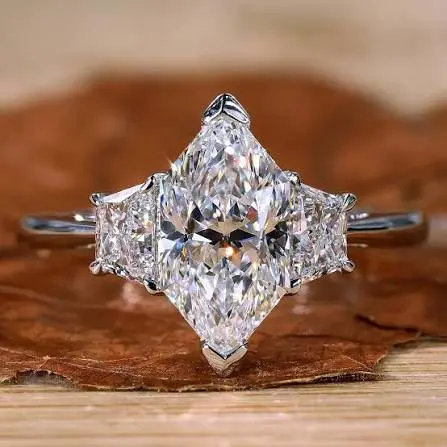
- Three-stone
- Vintage-inspired
- Pavé
- Hidden halo
- East-west
- Nature-inspired settings
Brilliant Earth, for example, offers marquise engagement rings in styles including solitaire, halo, three-stone, east-west, sculptural, and nature-inspired designs.
How to Choose the Best Dutch Marquise Diamond
The appearance of an elongated diamond depends heavily on its individual proportions and faceting. There is no single measurement that automatically makes one stone better than another.
Focus on Symmetry
Symmetry is especially important for marquise-shaped diamonds. The two sides should look balanced, and the points should align properly.
GIA recommends checking the symmetry of the wings, outline, and facet arrangement. Uneven curves or misaligned points can be noticeable because the shape itself is highly directional.
When viewing a potential diamond, look at it straight-on and ask:
- Are both sides balanced?
- Do the points line up?
- Does one wing appear flatter than the other?
- Does the outline look graceful rather than awkward?
- Are the facets arranged consistently?
Consider Length-to-Width Ratio
Length-to-width ratio compares the diamond’s length with its width.
GIA notes that marquise diamonds submitted to its laboratory commonly fall around a 1.6:1 to 2.2:1 range, although individual preferences vary.
A shorter ratio produces a broader appearance, while a higher ratio creates a longer and narrower silhouette.
There is no universally perfect ratio. The best choice depends on the look you prefer and how the diamond performs visually.
Check for the Bow-Tie Effect
The bow-tie effect is a darker area that can appear across the center of many elongated brilliant-cut diamonds.
Some degree of contrast can be normal, but a very strong bow tie can make the center appear noticeably dark. GIA recommends examining a marquise diamond face-up under normal viewing conditions rather than relying solely on magnified images.
When possible, view the diamond in different lighting environments before making your decision.
What Setting Is Best for a Dutch Marquise Engagement Ring?
The best setting depends on whether your priority is protection, simplicity, sparkle, or individuality.
Solitaire Setting
A solitaire places the focus entirely on the center diamond. It is an excellent choice if you want the distinctive Dutch marquise shape to remain the visual centerpiece.
A simple band can also make the elongated silhouette look more refined.
Halo Setting
A halo surrounds the center stone with smaller diamonds. This can add extra sparkle and create a more elaborate appearance.
A halo can also visually frame the pointed shape, making the center diamond appear even more dramatic.
Three-Stone Setting
A three-stone ring combines the center diamond with additional stones on either side. This creates more visual width and can give the ring a meaningful, balanced appearance.
East-West Setting
An east-west setting places the elongated stone horizontally across the finger rather than vertically.
This is a particularly distinctive option for shoppers who want a modern engagement ring with an unconventional presentation. Marquise diamonds can be set in this orientation, and Brilliant Earth lists east-west designs among its marquise engagement-ring options.
How to Protect the Pointed Ends
The pointed ends are one of the most recognizable features of a marquise diamond, but they also deserve special attention when choosing a setting.
GIA notes that the points of a marquise can be vulnerable to damage and that protective features such as V-shaped prongs can help protect them.
Practical protection tips
- Look for secure prong placement around the tips.
- Consider V-prongs when appropriate.
- Avoid settings that leave the points unnecessarily exposed.
- Inspect the ring periodically for loose or worn prongs.
- Remove the ring during activities that could cause significant impact.
A secure setting does not have to compromise the beauty of the diamond. A skilled jeweler can balance protection with a clean, elegant appearance.
Which Metal Looks Best With a Dutch Marquise Engagement Ring?
There is no single best metal. Your choice should complement the diamond, personal style, and other jewelry.
White Gold
White gold creates a clean, contemporary appearance and can emphasize the brightness of a white diamond.
Yellow Gold
Yellow gold creates warmer contrast around a diamond and works especially well with vintage-inspired or romantic designs.
Rose Gold
Rose gold adds a softer, distinctly modern-romantic character. It can be an appealing choice for someone who wants something less traditional.
Platinum
Platinum is a premium option known for its durability and naturally white appearance. It is particularly attractive for an engagement ring intended for frequent wear.
When selecting metal, consider the wedding band you may eventually pair with the engagement ring. A coordinated combination can make the finished bridal stack look more intentional.
Dutch Marquise vs. Traditional Marquise
Because “Dutch marquise” is not a standardized GIA shape name, the distinction can depend on the jeweler’s design terminology.
| Feature | Dutch Marquise Style | Traditional Marquise |
|---|---|---|
| Shape | Often marketed as a distinctive elongated marquise variation | Elongated with curved sides and pointed ends |
| Terminology | Trade/design terminology may vary | Recognized fancy diamond shape |
| Appearance | Can have a sharper or more distinctive silhouette depending on design | Classic elongated appearance |
| Settings | Solitaire, halo, vintage, pavé, east-west and more | Solitaire, halo, three-stone, vintage and more |
| Main buying priority | Verify actual dimensions and proportions | Evaluate symmetry, proportions, bow tie and protection |
The most important takeaway is simple: judge the individual diamond, not just the label.
A Simple Buying Process for a Dutch Marquise Engagement Ring
Follow these steps before purchasing:
Step 1: Decide on Your Budget
Set a total ring budget before choosing the diamond. Remember to account for the center stone, setting, metal, additional diamonds, taxes, and potential customization.
Step 2: Choose Natural or Lab-Grown
Both natural and lab-grown diamonds can be considered depending on your priorities, budget, and preferences.
Rather than assuming one option is automatically better, compare the stone’s grading information, appearance, price, and provenance.
Step 3: Review the Diamond Report
For a significant diamond purchase, review an independent grading report and confirm that the stone’s identifying details match the report.
Step 4: Compare Shape and Proportions
Look at several stones side by side. Compare length-to-width ratio, symmetry, facet pattern, and bow-tie effect.
Step 5: Select the Setting
Choose a setting that complements the diamond while adequately protecting the pointed ends.
Step 6: Check the Ring Size
A beautiful engagement ring still needs to feel comfortable. Use an accurate ring-size measurement and consider the width of the band and the design of the setting.
Step 7: Review Warranty and Return Policies
Before ordering online, understand the jeweler’s return period, resizing policy, warranty, maintenance services, and shipping arrangements.
Common Mistakes to Avoid
Buying a Dutch marquise engagement ring should be based on the entire design rather than one specification.
Avoid these common mistakes:
- Choosing the diamond by carat weight alone
- Ignoring symmetry
- Selecting an overly strong bow tie
- Focusing only on online photographs
- Leaving the pointed ends inadequately protected
- Assuming every “Dutch marquise” has the same proportions
- Ignoring the diamond grading report
- Choosing a setting without considering the future wedding band
- Forgetting to review return and warranty policies
A visually beautiful diamond can still be the wrong choice if its proportions, setting, or practical features do not suit your needs.
Brilliant EarthBrilliant EarthFrequently Asked Questions
What is a Dutch marquise engagement ring?
A Dutch marquise engagement ring generally refers to an elongated marquise-style engagement ring with a distinctive pointed silhouette. “Dutch marquise” is used as a trade or design term rather than a standardized GIA diamond-shape classification, so shoppers should verify the actual stone’s measurements, proportions, and grading report before buying.
Is a Dutch marquise engagement ring a good choice for everyday wear?
Yes, it can be suitable for everyday wear when the diamond is properly secured. Marquise diamonds have pointed ends that can be more vulnerable to damage, so protective prongs or another appropriate setting are important. Regularly checking the prongs and removing the ring during high-impact activities can also help protect the stone.
Does a marquise diamond look bigger than its carat weight?
A marquise diamond can appear larger than a round diamond of the same carat weight because its elongated shape creates strong face-up coverage. GIA specifically notes that the marquise shape can create the perception of greater size and can visually lengthen the finger.
A Dutch marquise engagement ring is a beautiful choice for couples who want something elegant and unique.
The classic shape of a Dutch marquise engagement ring gives the finger a graceful and sophisticated look.
A carefully designed Dutch marquise engagement ring can perfectly combine timeless beauty with modern style.
Whether you prefer a simple or detailed setting, a Dutch marquise engagement ring can make your special moment memorable.
Choose a Dutch marquise engagement ring that reflects your personal style and celebrates your love beautifully.
What is the best setting for a Dutch marquise engagement ring?
There is no single best setting. Solitaire settings emphasize the center stone, halo settings add surrounding sparkle, three-stone designs create additional visual balance, and east-west settings provide a modern horizontal look. The setting should also provide appropriate protection for the diamond’s pointed ends.
What should I look for when buying a Dutch marquise diamond?
Start with symmetry, proportions, overall shape, and the bow-tie effect. Examine whether the two points align and whether the wings are balanced. Then consider color, clarity, carat weight, setting security, and the diamond’s grading documentation. Most importantly, compare the actual appearance of several stones rather than relying only on numerical specifications.
Conclusion: Is a Dutch Marquise Engagement Ring Right for You?
A Dutch marquise engagement ring can be an excellent choice for someone who wants an engagement ring with an elongated, distinctive, and sophisticated appearance. Its pointed silhouette offers a memorable alternative to traditional round and oval diamonds while providing strong visual presence on the finger.
The key is to choose based on the individual stone and setting rather than the name alone. Pay close attention to symmetry, proportions, bow-tie visibility, diamond protection, metal, and the overall comfort of the ring.
If you’re shopping for a Dutch marquise engagement ring in the USA, start by comparing several diamonds side by side, reviewing their grading information, and choosing a setting that protects the pointed ends while matching your personal style. A carefully selected stone and well-designed setting can create an engagement ring that feels distinctive today and timeless for years to come.