
Are Lab Created Diamonds Real?
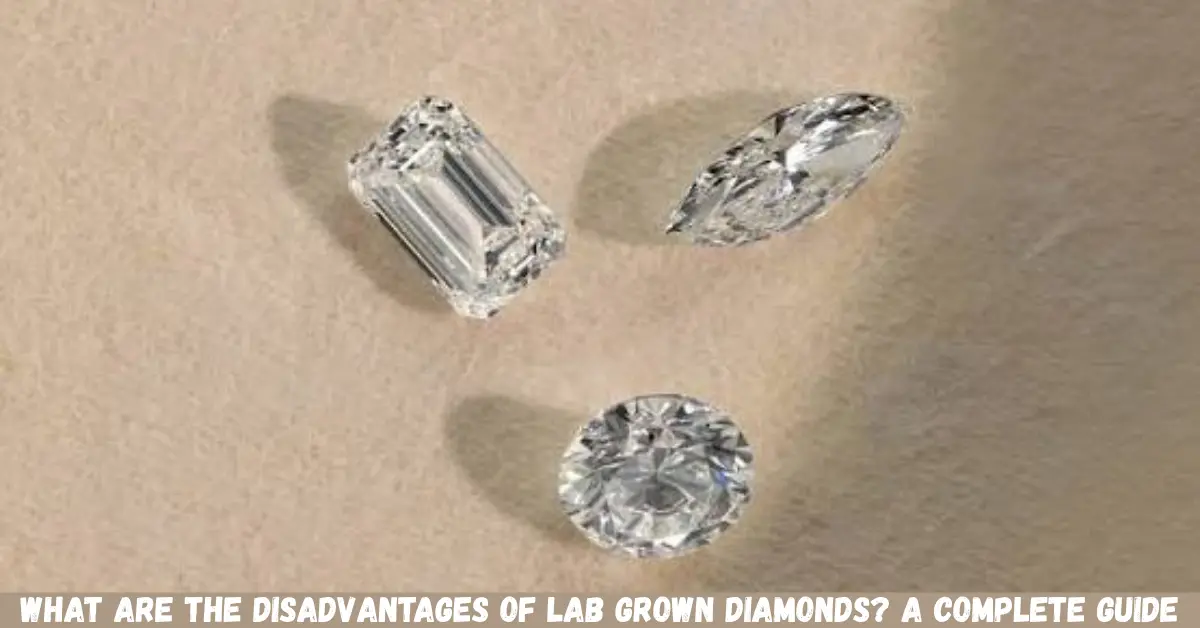
Are lab created diamonds real? Yes. Lab-created diamonds are genuine diamonds, not diamond imitations. They have essentially the same chemical composition, crystal structure, and physical and optical properties as natural diamonds. The major difference is their origin: natural diamonds form naturally inside the Earth, while lab-created diamonds are grown using controlled technological processes.
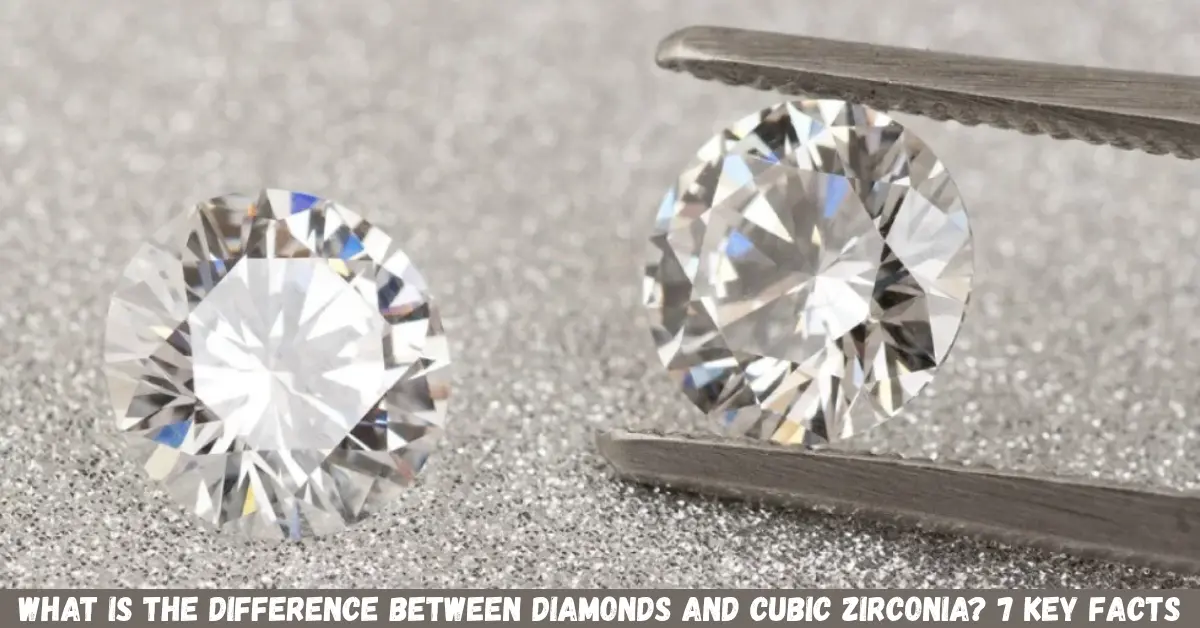
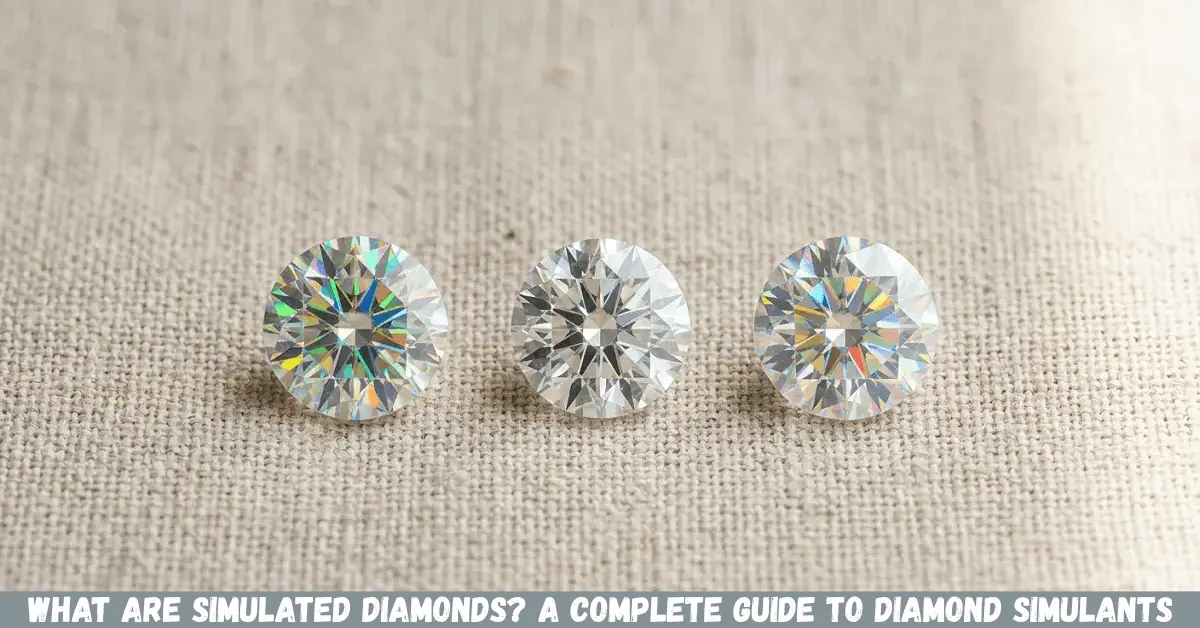
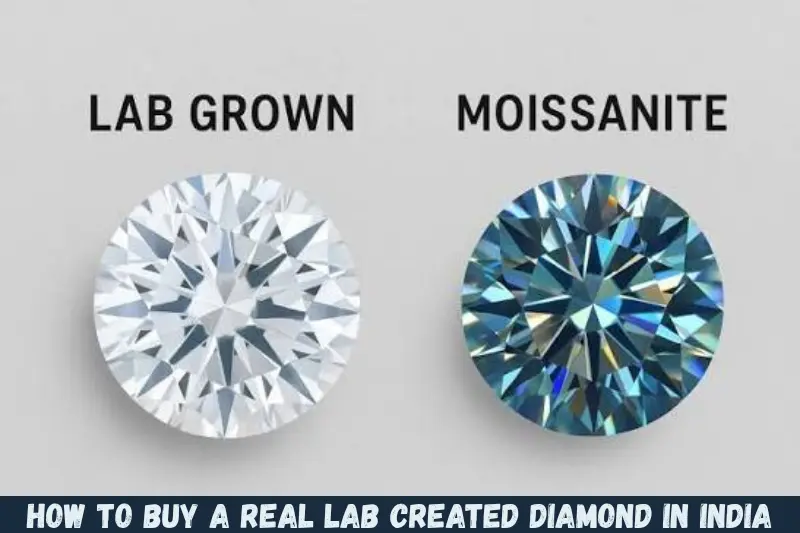
This distinction is important because a lab-created diamond is not the same thing as cubic zirconia or moissanite. Those materials can imitate the appearance of diamond but do not have the same chemical and physical characteristics.
For Indian buyers considering an engagement ring, wedding jewellery, earrings, or another diamond piece, understanding this difference can make shopping much easier. This guide explains what lab-created diamonds are, how they are made, how they compare with natural diamonds, how they are identified, and what to check before buying one.
What Exactly Is a Lab Created Diamond?
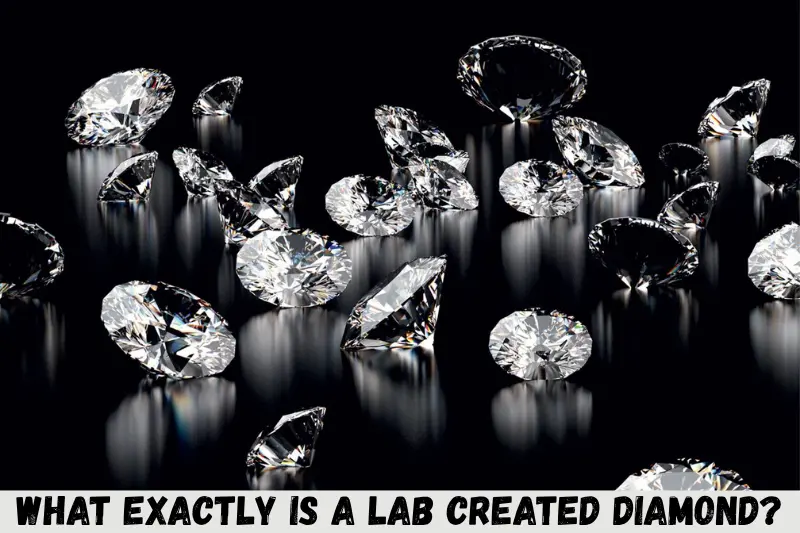
A lab-created diamond is a diamond produced by humans in a laboratory or specialized manufacturing facility rather than formed naturally beneath the Earth’s surface.
The finished gemstone is still diamond because its fundamental material is crystallized carbon. The manufacturing process simply recreates conditions that allow diamond crystals to grow.
According to the Gemological Institute of America (GIA), laboratory-grown diamonds have essentially the same chemical composition and crystal structure as natural diamonds. They can also have essentially the same optical and physical properties.
That means a properly produced lab-grown diamond can have:
- Diamond’s characteristic crystal structure
- High hardness
- Similar brilliance and fire
- The same basic chemical composition as a natural diamond
- Similar optical characteristics
- Similar physical characteristics
The important difference is origin, not whether the material is actually diamond.
Lab Diamond vs Diamond Imitation
This is where many buyers become confused.
A lab-grown diamond is diamond material grown in a laboratory.
A diamond simulant is another material that is designed to look like diamond.
Common diamond simulants include:
- Cubic zirconia (CZ)
- Moissanite
- Some other synthetic or natural gemstones
GIA explains that simulants do not have the same chemical composition and physical properties as diamonds.
So, calling a lab-created diamond a “fake diamond” is scientifically inaccurate. However, it is also incorrect to describe it as a natural or mined diamond, because it was created through a laboratory process.
How Are Lab Created Diamonds Made?
Lab-created diamonds are primarily produced using two technologies: HPHT (High Pressure High Temperature) and CVD (Chemical Vapor Deposition).
Both methods are designed to grow actual diamond crystals, but they use different processes.
HPHT Diamonds
HPHT stands for High Pressure High Temperature.
This method recreates extremely high-pressure and high-temperature conditions similar in principle to the environment in which natural diamonds develop.
A diamond seed is placed inside specialized equipment along with carbon and other materials required for the growth process. Under controlled conditions, carbon crystallizes around the seed and forms diamond material.
GIA identifies HPHT as one of the two primary methods used to produce gem-quality laboratory-grown diamonds.
CVD Diamonds
CVD stands for Chemical Vapor Deposition.
In this process, a diamond seed is placed inside a controlled chamber containing a carbon-rich gas. Energy is introduced to break down the gas molecules, allowing carbon to deposit onto the diamond seed and gradually build the crystal.
CVD is another established method for producing gem-quality laboratory-grown diamonds.
The terms HPHT and CVD describe how the diamond was grown. They do not mean that one is a diamond while the other is not.
Are Lab Created Diamonds as Hard as Natural Diamonds?
Yes. Lab-created diamonds have essentially the same physical properties as natural diamonds, including diamond’s exceptional hardness.
Diamond is rated 10 on the Mohs hardness scale, which makes it the hardest naturally occurring mineral commonly used as a gemstone. GIA lists diamond’s Mohs hardness as 10.
This makes lab-grown diamonds suitable for everyday jewellery such as:
- Engagement rings
- Wedding rings
- Earrings
- Pendants
- Bracelets
- Diamond-studded watches
However, hardness does not mean a diamond cannot be damaged. A diamond can still chip or fracture under a sufficiently strong impact, particularly around vulnerable edges or points.
Good jewellery design, secure settings, and sensible care still matter.
Lab Created Diamonds vs Natural Diamonds
The biggest difference between the two is their origin and growth history.
| Feature | Lab-Created Diamond | Natural Diamond |
|---|---|---|
| Basic material | Crystallized carbon | Crystallized carbon |
| Origin | Laboratory or manufacturing facility | Formed naturally inside Earth |
| Crystal structure | Essentially the same | Diamond crystal structure |
| Physical properties | Essentially the same | Natural diamond properties |
| Optical properties | Essentially the same | Natural diamond properties |
| Growth process | HPHT or CVD | Geological processes |
| Can the difference always be seen by eye? | No | No |
| Professional identification | Possible with specialized testing | Possible with specialized testing |
| Geological age | Recently produced | Often millions to billions of years old |
| Origin disclosure | Should be clearly disclosed | Sold as natural/mined when applicable |
GIA notes that laboratory-grown diamonds can look the same to the unaided eye as natural diamonds, while advanced gemological testing can identify differences caused by their growth conditions.
Can You Tell a Lab Diamond From a Natural Diamond by Looking at It?
Usually, you cannot reliably determine the origin of a diamond simply by looking at it.
A high-quality lab-grown diamond can have the same visual characteristics that people associate with diamond jewellery, including brilliance, fire, and scintillation.
Even a loupe is not necessarily enough to establish whether a stone is natural or laboratory-grown. GIA explains that advanced testing and specialized equipment may be required for definitive identification.
This is why documentation matters when buying a valuable diamond.
Why Professional Testing Matters
Lab-grown and natural diamonds develop under different conditions. Those different growth environments can leave microscopic characteristics and growth patterns that specialized laboratories can detect.
GIA has documented identifying characteristics associated with both HPHT and CVD diamonds, including growth patterns, fluorescence behavior, inclusions, and other features.
For an expensive purchase, relying only on appearance is therefore not a sensible way to establish origin.
Are Lab Created Diamonds Good for Engagement Rings?
Yes, lab-created diamonds can be used for engagement rings and other fine jewellery.
Because they are genuine diamonds with essentially the same basic physical and optical properties as natural diamonds, the choice usually comes down to what the buyer values most.
A buyer may prioritize:
- Diamond appearance
- Carat size
- Cut quality
- Colour
- Clarity
- Origin
- Certification or grading documentation
- Budget
- Personal preference
- Long-term ownership expectations
For example, someone who specifically wants a diamond that formed naturally over geological time may prefer a natural stone. Another buyer may care more about getting a particular size and quality within a specific budget and may consider a laboratory-grown diamond.
Neither description changes the fact that a properly identified lab-grown stone is a real diamond.
What About the 4Cs of a Lab-Grown Diamond?
Lab-grown diamonds can also be evaluated using familiar diamond-quality characteristics such as cut, colour, clarity, and carat weight.
Cut
Cut affects how effectively the diamond interacts with light.
A well-cut diamond can produce strong brightness, fire, and scintillation, while a poorly cut stone may appear less lively even when other specifications look impressive.
Colour
Diamond colour grading describes how much colour is visible in a diamond, depending on the grading system and stone type.
Colourless and near-colourless lab-grown diamonds are widely available, while laboratory-grown diamonds can also be produced in fancy colours.
Clarity
Clarity refers to internal and external characteristics such as inclusions and blemishes.
Lab-grown diamonds can have their own growth-related characteristics. GIA notes that laboratory-grown diamonds have distinct clarity characteristics that can help laboratories distinguish them from natural diamonds.
Carat
Carat refers to weight, not simply visual size.
Two diamonds with the same carat weight can look somewhat different depending on their shape, proportions, and cut.
For that reason, buyers should avoid choosing a stone based on carat weight alone.
Are Lab Created Diamonds Cheaper?
Lab-created diamonds are commonly sold at lower prices than comparable natural diamonds, although the exact price difference depends on factors such as carat weight, cut, colour, clarity, brand, certification, and market conditions.
GIA has noted that there can be significant price differences between laboratory-grown and natural diamonds.
The lower purchase price does not mean that the lab-grown stone is merely glass or CZ. It reflects differences including the stone’s origin, production method, rarity, and market dynamics.
Buyers should also avoid assuming that every lab-grown diamond represents the same value proposition. Compare the actual specifications and documentation rather than relying only on the label or advertised discount.
Are Lab Created Diamonds Available in India?
Yes. Laboratory-grown diamonds are available in the Indian jewellery market, and buyers should pay close attention to how the stone’s origin is described.
India’s Bureau of Indian Standards has developed IS 19469:2025, concerning consumer confidence in the diamond industry. The standard addresses distinctions among natural diamonds, laboratory-grown diamonds, treated diamonds, composite stones, and imitation diamonds and emphasizes clear, unambiguous disclosure.
For an Indian buyer, this makes one point especially important: always understand whether the stone is natural, laboratory-grown, treated, or an imitation before paying for it.
How to Buy a Real Lab Created Diamond in India
If you are planning to buy a lab-grown diamond, follow a simple verification process.
1. Ask Directly About the Origin
Ask the jeweller whether the stone is:
- Natural
- Laboratory-grown
- Treated
- Simulated or imitation
Do not rely on vague descriptions such as “diamond-like” or “diamond alternative” if you specifically want a genuine lab-grown diamond.
2. Check the Grading Documentation
Ask for appropriate documentation from a reputable gemological laboratory.
The report should clearly identify the stone as laboratory-grown when that is its origin.
GIA, for example, provides laboratory-grown diamond reports that identify the stone as laboratory-grown and can state whether it was produced by CVD or HPHT.
3. Match the Report With the Stone
If a report is supplied, check that important details correspond to the actual diamond.
Depending on the documentation, this can include:
- Carat weight
- Measurements
- Colour
- Clarity
- Cut information
- Report number
- Laser inscription where applicable
4. Buy From a Reputable Seller
A reliable jeweller should be comfortable explaining the diamond’s origin, quality, documentation, return policy, and pricing.
The FTC’s consumer guidance also recommends researching jewellery sellers and checking return policies before purchasing.
5. Compare More Than One Stone
Do not select a diamond only because it has the largest carat weight.
Compare cut quality, proportions, colour, clarity, certification, design, and total jewellery cost.
Common Mistakes to Avoid When Buying Lab Diamonds
Mistake 1: Thinking Lab-Grown Means Fake
This is the most common misunderstanding.
Lab-grown diamonds are not the same as diamond simulants. They are produced in a laboratory, but their fundamental material is diamond.
Mistake 2: Assuming Every Sparkly Stone Is a Diamond
A stone can look very similar to diamond without actually being diamond.
Moissanite and cubic zirconia are examples of diamond simulants. They should not be confused with laboratory-grown diamonds.
Mistake 3: Buying Without Origin Disclosure
If you want a lab-grown diamond, make sure the seller clearly identifies it as laboratory-grown.
Likewise, if you specifically want a natural diamond, confirm that the documentation identifies the stone as natural.
Mistake 4: Choosing Only by Carat
A larger diamond is not automatically a better-looking diamond.
Cut quality can have a major effect on how a stone handles light, so examine the complete grading information.
Mistake 5: Ignoring the Seller’s Return Policy
Jewellery is a significant purchase for many people. Before paying, understand the return, exchange, resizing, warranty, and after-sales terms.
Are Lab Created Diamonds Worth Considering?
Whether a lab-created diamond is suitable depends on the buyer’s priorities.
A laboratory-grown diamond may be worth considering if you want a genuine diamond but prefer a stone produced through laboratory technology. It can also provide another option when comparing size, quality, design, and budget.
A natural diamond may be more appropriate for someone who specifically values natural geological origin and the history associated with a mined stone.
The important thing is to understand that “real diamond” and “natural diamond” are not identical terms. A lab-created diamond can be real diamond material while still being different from a natural diamond in origin.
Quick Answer: Are Lab Created Diamonds Real?
Yes, lab-created diamonds are real diamonds. They have essentially the same chemical composition, crystal structure, and physical and optical properties as natural diamonds. Their main difference is how they are formed: lab-grown diamonds are produced using technologies such as HPHT or CVD, while natural diamonds form through geological processes inside Earth.
They should not be confused with diamond simulants such as cubic zirconia or moissanite, which imitate diamond’s appearance without having the same fundamental properties.
Frequently Asked Questions
1. Are lab created diamonds real or fake?
Lab-created diamonds are real diamonds, not fake diamonds. They have essentially the same chemical composition, crystal structure, and physical and optical properties as natural diamonds. Their difference is their origin: they are grown using controlled laboratory processes rather than forming naturally underground over geological time.
2. Can a jeweller tell if a diamond is lab-grown?
A jeweller may recognize certain characteristics, but visual inspection alone is not always enough to establish whether a diamond is natural or laboratory-grown. Definitive identification can require advanced gemological equipment and laboratory testing. Professional laboratories such as GIA use specialized instruments and examination methods to identify laboratory-grown diamonds.
3. Are lab-grown diamonds the same as cubic zirconia?
No. Cubic zirconia is a diamond simulant, while a laboratory-grown diamond is actual diamond material. CZ is designed to imitate diamond’s appearance but does not have diamond’s chemical composition and physical properties. Moissanite is another common diamond simulant and is also chemically different from diamond.
4. Are lab created diamonds good for engagement rings?
Yes. Lab-created diamonds can be used in engagement rings because they have essentially the same fundamental physical and optical properties as natural diamonds. Buyers should still evaluate cut, colour, clarity, carat, certification, setting quality, and seller policies before purchasing a ring.
5. How can I verify a lab-grown diamond before buying?
Ask the seller for appropriate grading documentation and confirm that the report clearly identifies the stone as laboratory-grown. Check the report details against the actual stone and buy from a reputable seller with clear return and disclosure policies. For expensive purchases, independent gemological verification can provide additional confidence.
Conclusion
Are lab created diamonds real? Absolutely—they are genuine diamonds, but they are not natural or mined diamonds. Their fundamental chemical composition, crystal structure, and many physical and optical properties are essentially the same as those of natural diamonds. The key difference is their origin and growth history.
For Indian jewellery buyers, the smartest approach is to focus on clear disclosure, reliable grading documentation, diamond quality, seller reputation, and the distinction between laboratory-grown diamonds and diamond simulants.
If you are planning to buy one, start by deciding whether you want natural or laboratory-grown origin, then compare the 4Cs and verify the stone’s documentation before making the final purchase.